December 28, 2025
Fall protection equipment is only effective when it is inspected regularly by trained and qualified personnel. A certified fall protection inspector understands how each component should perform and how to identify early signs of wear or damage. Without proper inspection, even the strongest system can fail, which can put workers at risk during height related tasks.
Industrial plants, construction sites, refineries, and infrastructure projects follow strict safety requirements for fall arrest systems, harnesses, connectors, and lifelines. To meet workplace safety compliance standards, inspections must be carried out by individuals who have the right training and authority. This ensures every harness, anchorage point, lanyard, and device remains reliable throughout daily operations.
Indian Inovatix supports clients in establishing safe inspection routines with guidance from experienced height safety specialists and certified professionals.
Why Fall Protection Equipment Needs Qualified Inspection
Fall protection systems are exposed to continuous use and environmental conditions. Dust, oil, moisture, chemicals, sharp edges, and sunlight can weaken components over time. Routine inspections ensure that defective or worn items are removed from service before they fail.
Reliable inspections help companies maintain:
- Safe working environments
- Compliance with industry standards
- Lower downtime due to accidents
- Confidence among workers using the equipment
A trained qualified safety inspector or a certified professional must understand fall arrest systems, personal protective equipment, and the standards that govern their performance.
Who Is Allowed to Inspect Fall Protection Equipment
Not every employee can inspect fall protection systems. The individual must meet specific competency levels, complete relevant training, and understand how equipment behaves under load. The following roles are recognized across the industry.
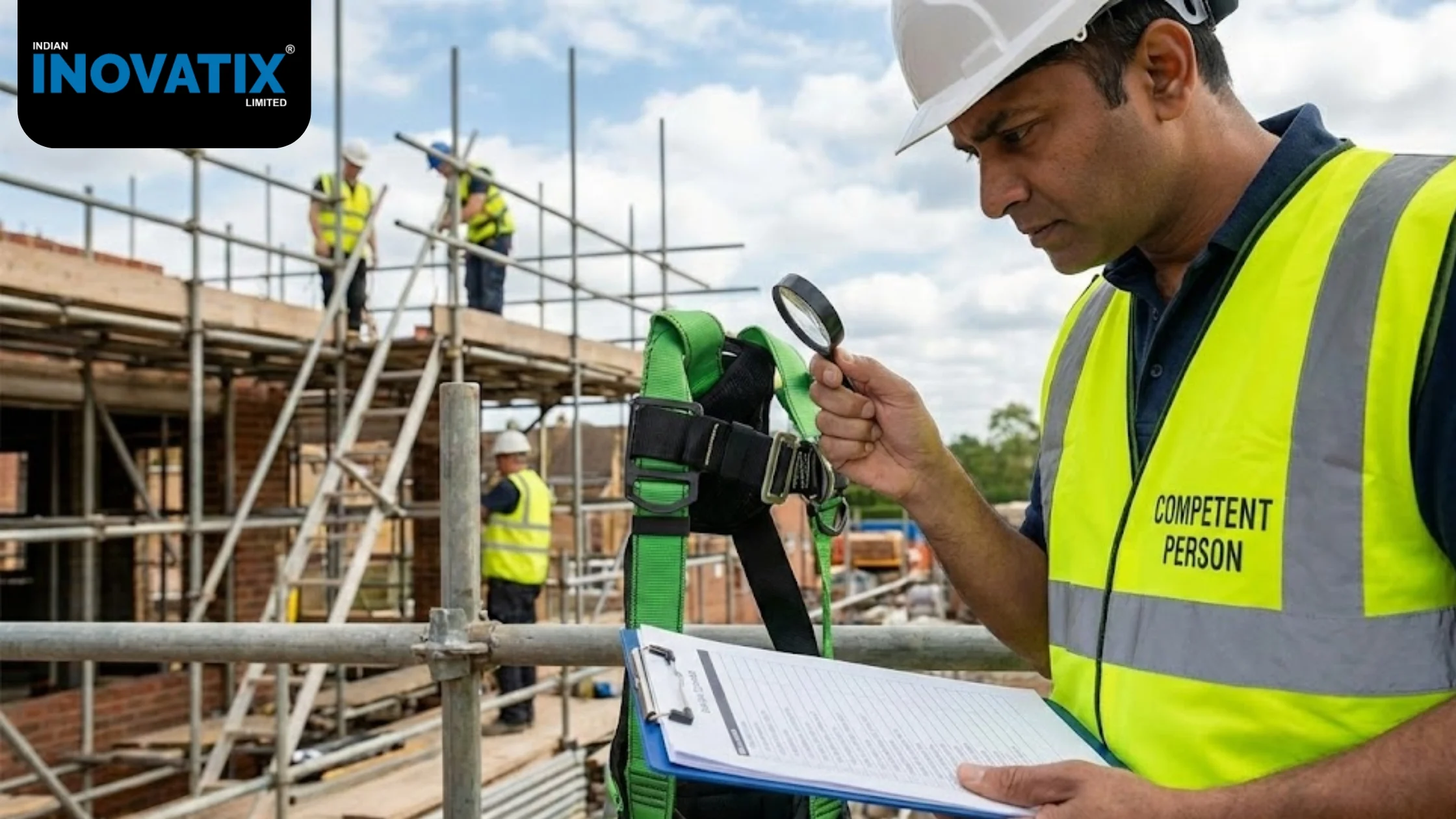
1. Competent Person for Fall Protection
A competent person is an individual who has the knowledge, training, and authority to identify hazards and take corrective action. This person is often involved in regular site supervision and PPE checks.
A competent person must be able to:
- Evaluate harness stitching, buckles, and webbing
- Inspect connectors, hooks, and carabiners
- Check shock absorbers and lanyard
- Identify misuse or incorrect storage
- Remove unsafe equipment from service
Competent persons are usually trained through fall arrest inspection training programs.
2. Certified Safety Professional
A certified safety professional has a broader understanding of workplace hazards and compliance requirements. These professionals may hold recognized credentials related to occupational safety.
They are qualified to inspect:
- Full body harnesses
- Vertical and horizontal lifelines
- Retractable fall arrest blocks
- Anchorage systems and structural supports
- Permanent fall arrest installations
This role is essential when inspections must satisfy legal or contractual requirements.
3. Height Safety Specialist
A height safety specialist is trained specifically in fall prevention and fall arrest systems. They understand how different systems interact with various structures and work environments.
Specialists are ideal for:
- Detailed structural inspections
- Reviewing complex fall arrest systems
- Advising on component replacement
- Conducting hands on training for workers
4. Qualified Safety Inspector
A qualified safety inspector is trained to inspect fall protection systems according to industry standards, manufacturer guidelines, and regulatory requirements.
They can inspect:
- Personal protective equipment
- Lifeline systems
- Connectors and anchorage points
- Ladder fall arrest systems
- Rooftop safety equipment
This role is mandatory for periodic and annual inspections.
5. Manufacturer Trained Personnel
Manufacturers often provide training to ensure users and inspectors understand how to evaluate their products. These individuals have direct knowledge of the product’s materials, performance limits, and common failure points.
Indian Inovatix trains safety teams to carry out correct inspection routines for harnesses, connectors, vertical rope systems, and fall arrest blocks.
6. Third Party PPE Inspection Authority
A recognized PPE inspection authority specializes in evaluating safety gear for factories, construction sites, and industrial facilities. They provide unbiased verification of equipment condition, which is often required for external audits or certification.
These authorities:
- Perform neutral assessments
- Provide written inspection records
- Identify damaged or expired equipment
- Support compliance with safety codes
This service is valuable for organizations with large teams or multiple work locations.
What a Fall Protection Inspector Must Know
To inspect fall protection equipment correctly, an inspector must understand:
- Manufacturer guidelines
- International and national standards
- Load capacity requirements
- Lifeline tension limits
- Anchor placement and structural requirements
- Inspection intervals
- Record keeping procedures
Inspectors must follow clear procedures for tagging, logging, and removing damaged equipment.
Inspection Requirements for Fall Arrest Systems
A fall arrest system includes harnesses, connectors, lifelines, lanyards, retractable blocks, and anchor systems. Each component must perform correctly to protect a worker.
Inspectors must examine:
- Stitching, webbing, and hardware on harnesses
- Shock absorbers for signs of deployment
- Steel cables for fraying or corrosion
- Rope lifelines for cuts or abrasion
- Retractable devices for smooth extension and retraction
- Carabiners and hooks for proper locking
- Anchor points for structural integrity
Inspections ensure every part of the system supports safe climbing, movement, and fall arrest.
How Often Fall Protection Equipment Must Be Inspected
Fall protection systems require:
- Pre use inspection
Conducted by the worker before each shift. - Routine inspection
Performed by a trained competent person at regular intervals based on usage. - Annual inspection
Completed by a qualified safety inspector, certified safety professional, or competent authority.
High exposure environments like refineries or outdoor construction may require more frequent reviews.
Importance of Fall Arrest Inspection Training
Fall arrest inspection training prepares inspectors to evaluate equipment safely and accurately. This training covers:
- Identifying worn or damaged components
- Understanding system requirements
- Checking load indicators
- Proper storage and handling
- Documentation and reporting
Without training, inspections may overlook critical issues that compromise safety.
Inspection Responsibilities at the Workplace
Different roles contribute to the inspection process. Clearly defined responsibilities support workplace safety compliance.
Workers
- Inspect gear before each use
- Report concerns immediately
Competent Person
- Perform formal inspections
- Remove unsafe equipment from service
- Conduct worker training
Certified Safety Professional
- Carry out periodic or annual inspections
- Maintain documentation
- Evaluate system performance
Height Safety Specialist
- Review engineered lifelines
- Advise on upgrades or replacements
PPE Inspection Authority
- Conduct external audits
- Provide reports for compliance
This structure ensures every fall protection system remains reliable.
Conclusion
Fall protection equipment must be inspected by qualified and trained individuals who understand safety standards and system requirements. A reliable inspection program protects employees, supports compliance, and prevents costly accidents.
Indian Inovatix provides certified fall arrest systems, inspection training support, and guidance from experienced safety professionals to help organizations maintain safe and compliant workplaces.
Every worker deserves safety. Contact or enquire now with Indian Inovatix to schedule system inspections, training, or customized fall protection solutions.
FAQs
- Who is considered a qualified inspector for fall protection equipment
Someone with training, experience, and authority to evaluate equipment according to safety standards. - Can workers inspect their own fall protection equipment
Workers can perform pre use checks, but periodic inspections must be done by trained personnel. - Does fall protection equipment require annual inspection
Yes. A qualified inspector or certified safety professional must complete an annual inspection. - What does a fall equipment inspection include
It includes checking harnesses, connectors, lifelines, lanyards, blocks, and anchor systems. - Who trains fall protection inspectors
Training is provided by safety specialists, manufacturers, and certified training organizations. - Can inspection be done by a fall protection specialist in Ahmedabad
Yes. Indian Inovatix supports inspections and system reviews through trained specialists. - What happens if equipment fails inspection
It must be removed from service and replaced immediately. - Is documentation required after inspection
Yes. Records support compliance and help track equipment condition. - Can third party inspectors audit fall protection systems
Yes. PPE inspection authorities provide unbiased assessments. - Why is inspection important for fall arrest systems
Inspection prevents equipment failure, injuries, and non compliance issues.

Categories
Latest Post
- September 12, 2026 Work at Height Rules India: What Employers Need to Know in 2026
- September 5, 2026 Coconut Tree Climber Machine Buying Guide for Indian Farmers
- August 29, 2026 Best Safety Harness for Construction: How to Choose the Right One

Corporate Profile
Download CatalogueTalk to Our Safety & Protection Specialists
Have questions or need guidance? Our experts can help you choose the most reliable and high-performance safety solutions tailored to your industry and site requirements.
-

- Call Us +91-8849452638
Need Help Determining the Right Fall Protection for You?
With our vast experience, our experts will assist you in selecting the most relevant system for your needs.