February 28, 2026
Working at height is a routine requirement in construction, industrial maintenance, utilities, and infrastructure projects. Falls remain one of the leading causes of serious injuries in these environments. While many workers are familiar with safety harnesses, there is often confusion about when a full body harness is actually required and how it differs from other forms of safety belts.
Understanding when to use a full body harness is essential for protecting workers, meeting safety requirements, and ensuring that fall protection systems perform correctly during an incident.
What Is a Full Body Harness
A full body safety harness is personal protective equipment designed to safely arrest a fall and distribute impact forces across the body. Unlike waist belts or positioning belts, a full body harness supports the shoulders, thighs, and pelvis, reducing the risk of serious injury during fall arrest.
Modern body harness designs include multiple attachment points that allow use in fall arrest, work positioning, ladder safety, and rescue operations.
When a Full Body Harness Is Mandatory
A full body harness must be used whenever a worker is exposed to a fall hazard and fall arrest or positioning is required.
Working at Height With Fall Arrest Systems
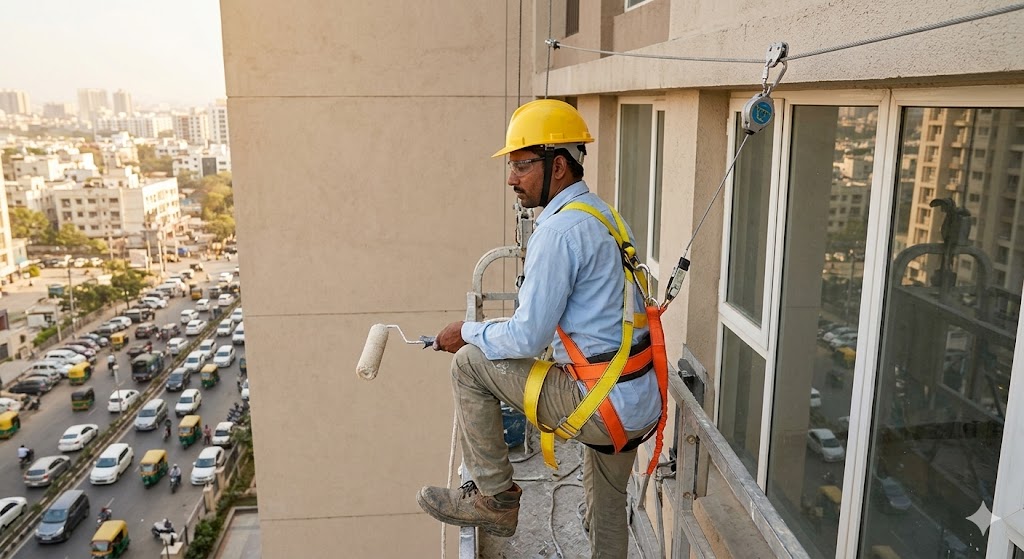
A full body harness for fall protection is mandatory whenever a fall arrest system is used. This includes work on rooftops, platforms, scaffolding, and elevated structures where guardrails or restraint systems cannot eliminate the risk.
Waist belts or simple safety belts must never be used for fall arrest because they cannot safely distribute fall forces.
Working Near Unprotected Edges
When workers operate near roof edges, floor openings, or unguarded platforms, a safety harness connected to a suitable anchor or lifeline is required. A full body harness ensures that if a fall occurs, the worker remains upright and supported.
Ladder and Vertical Access Work
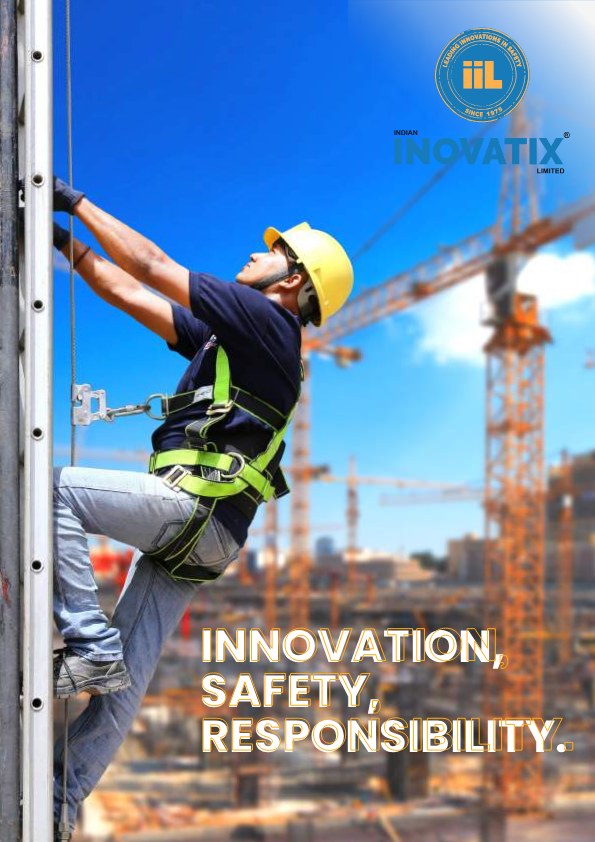
Fixed ladders, towers, and vertical access systems require continuous fall protection. In these cases, a body harness is used with vertical lifelines or ladder safety systems to protect workers during ascent and descent.
Confined Space Entry and Rescue
Confined spaces such as tanks, pits, and manholes often require vertical entry and rescue capability. A full body safety harness with front and dorsal attachment points is essential for safe lowering, lifting, and emergency retrieval.
Work Positioning at Height
Certain tasks require workers to maintain a stable working position while keeping both hands free. In these situations, a full body harness is used along with positioning lanyards. Even during positioning work, a backup fall arrest connection is often required.
When a Safety Harness Belt Is Not Enough
The term safety harness belt is still commonly used on job sites, but it often refers to older style waist belts. These belts may be suitable only for restraint or limited positioning tasks and must not be used for fall arrest.
A full body harness is required whenever:
- A fall of any distance is possible
- Vertical lifting or rescue may be needed
- The worker could strike a lower level
- Regulations or site rules specify fall arrest protection
Using an incorrect belt instead of a full body harness increases injury risk and non compliance.
Choosing the Right Full Body Harness for the Job
Not all harnesses are the same. Selection should be based on task type and work conditions.
Consider the following factors:
- Type of work at height
- Duration of use
- Required attachment points
- Compatibility with lifelines and connectors
- Comfort and adjustability
Proper selection encourages consistent use and improves overall safety performance.
Inspection and Training Requirements
A full body harness must be inspected before each use and periodically by a competent person. Webbing, stitching, buckles, and attachment points must be checked for wear or damage.
Workers must also be trained on:
- Correct harness fitting
- Proper connection to anchors or lifelines
- Safe movement techniques
- Emergency response procedures
Training ensures the harness performs as intended during real conditions.
Role of Certified Manufacturers
The performance of a safety harness depends heavily on its design and manufacturing quality. Safety harness manufacturers in India that focus on fall protection design equipment to meet national and international safety standards.
Indian Inovatix is among safety harness manufacturers that design and supply certified full body harnesses for industrial, infrastructure, rooftop, and confined space applications. The focus is on correct load distribution, compatibility with fall arrest systems, and long term reliability under site conditions.
Conclusion
A full body harness must be used whenever workers are exposed to fall hazards and fall arrest, positioning, or rescue systems are required. It is the only form of harness designed to safely manage fall forces and protect the worker during an incident.
Understanding when to use a full body harness, rather than a basic safety belt, helps organizations reduce injuries and meet safety responsibilities.
If your site involves work at height, vertical access, or confined space entry, reviewing harness selection early can prevent unsafe practices later. Indian Inovatix supports organizations with certified full body harnesses and guidance aligned with real site requirements.
Frequently Asked Questions
1. When should a full body harness be used
A full body harness should be used whenever a worker is exposed to a fall hazard and fall arrest, positioning, or rescue protection is required.
2. Is a full body safety harness mandatory for fall arrest
Yes. A full body safety harness is mandatory for fall arrest systems because it distributes fall forces safely across the body.
3. Can a safety harness belt be used instead of a full body harness
A safety harness belt or waist belt should not be used for fall arrest. It may only be suitable for limited restraint or positioning tasks where no fall risk exists.
4. Is a full body harness required for ladder work
Yes. When working on fixed ladders or vertical access systems, a body harness is required with a vertical lifeline or ladder safety system.
5. When is a full body harness needed in confined spaces
A full body harness is needed during confined space entry whenever vertical entry, lifting, or rescue may be required.
6. What is the difference between a safety harness and a body harness
The term safety harness is commonly used for all harness types, but a body harness usually refers to a full body harness designed for fall protection and rescue.
7. How often should a full body harness be inspected
A harness should be checked before each use and inspected periodically by a competent person, with documented inspections as required by site rules.
8. Who should manufacture full body harnesses used at work
Harnesses should be supplied by certified safety harness manufacturers in India who design equipment specifically for fall protection and compliance.
9. Can one full body harness be used for different tasks
Yes. Many full body harnesses are designed for fall arrest, positioning, ladder safety, and rescue when selected correctly for the task.
10. Why is proper harness selection important
Correct harness selection ensures comfort, correct load distribution, and reliable performance during a fall or rescue situation.


Talk to Our Safety & Protection Specialists
Have questions or need guidance? Our experts can help you choose the most reliable and high-performance safety solutions tailored to your industry and site requirements.
-

- Call Us +91-8849452638
Need Help Determining the Right Fall Protection for You?
With our vast experience, our experts will assist you in selecting the most relevant system for your needs.