April 25, 2026
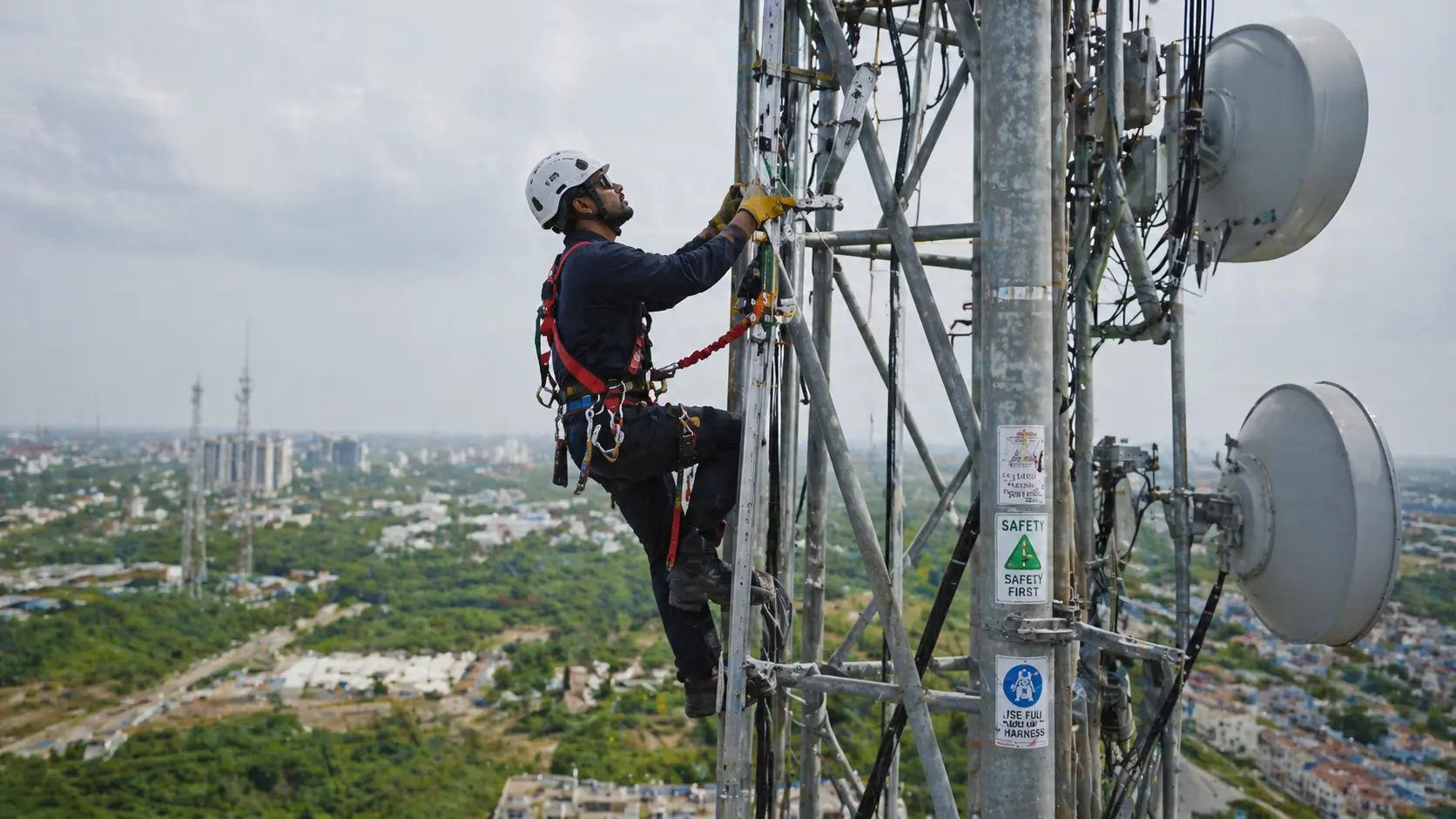
Vertical climbing in industrial environments exposes workers to fatigue, fall risk, and compliance challenges. Ladders on telecom towers, chimneys, and storage tanks often exceed safe climbing limits without assistance systems.
The risk increases with height, repeated use, and harsh site conditions. Fatigue leads to slower response time, reduced grip strength, and higher probability of falls. Under the Factories Act 1948, employers must provide safe access systems for such operations.
A climb assist system reduces physical strain and improves safety during vertical movement. Indian Inovatix Ltd., Ahmedabad, Gujarat, India manufactures engineered climb assist solutions used across infrastructure, telecom, and energy sectors.
What Is a Climb Assist System
A climb assist system is a mechanical or cable-based device that reduces the effort required to climb vertical ladders by supporting part of the worker’s body weight during ascent and descent.
These systems are designed to improve safety and reduce fatigue. They are commonly installed on:
- Telecom towers
- Industrial chimneys
- Storage tanks
- Wind turbines
- Access ladders in plants
According to EN safety requirements, ladder safety systems must ensure continuous protection during vertical movement.
A climb assist system allows workers to maintain better control, balance, and endurance while climbing.
How Does a Climb Assist System Work
A climb assist system works by applying an upward force through a cable, rail, or motorized mechanism that offsets a portion of the worker’s body weight during climbing.
The system typically includes:
- Anchorage point at the top of the ladder
- Steel cable or rail system
- Tension mechanism or motor unit
- Full body harness connection
- Controlled descent and ascent support
As the worker climbs, the system provides upward assistance. This reduces load on the legs and arms. In advanced systems, motorized units adjust tension automatically based on movement.
In a telecom tower installation supported by Indian Inovatix Ltd., climb assist systems reduced worker fatigue by over 30 percent during repeated climbs.
This directly improves productivity and safety during high-frequency operations.
When Do You Need a Climb Assist System
A climb assist system is required when ladder height, frequency of use, or environmental conditions increase fatigue and fall risk beyond acceptable safety limits.
When ladder height exceeds safe climbing limits
Ladders above 6 to 9 meters significantly increase fatigue and fall risk. Assistance systems are recommended for extended vertical access.
When workers perform repeated climbs
Maintenance teams in telecom and industrial plants often climb multiple times per shift. Fatigue accumulates quickly without assistance.
When working in harsh environments
High temperatures, wind exposure, or confined industrial spaces increase physical strain. Climb assist systems help maintain performance under such conditions.
When compliance and audits require enhanced safety
Safety audits under IS standards and OSHA guidelines require employers to reduce risk wherever possible. Installing assist systems demonstrates proactive compliance.
Indian Inovatix Ltd., Ahmedabad, Gujarat, India has implemented such systems across multiple sectors to meet audit and operational requirements.
Climb Assist System vs Fall Arrest System
A climb assist system supports movement, while a fall arrest system stops a fall. Both serve different but complementary purposes.
| Feature | Climb Assist System | Fall Arrest System |
| Purpose | Reduces climbing effort | Stops fall during incident |
| Function | Provides upward support | Arrests fall force |
| Worker Benefit | Reduces fatigue | Prevents injury |
| Usage | During climbing | During fall event |
| Standards | EN ladder safety norms | EN 353, EN 361 |
For maximum safety, both systems should be used together in high-risk environments.
Key Specifications to Check Before Installation
A climb assist system must meet specific technical and safety requirements.
Specification Callout
| Parameter | Typical Value |
| Assistance Force | 20 kg to 50 kg support |
| Cable Material | Galvanized steel |
| Max Ladder Height | Up to 300 meters |
| Compatibility | Full body harness EN 361 |
| Standards | EN, ANSI compliant |
| Installation Type | Fixed vertical ladder |
These specifications ensure reliable performance and long-term durability.
Indian Inovatix Ltd. manufactures climb assist systems tested for Indian environmental conditions and heavy industrial use.
Real Use Case: Telecom Tower Climb Efficiency Improvement
A climb assist system improves worker endurance and reduces risk during telecom tower maintenance.
In a telecom infrastructure project, Indian Inovatix Ltd. installed climb assist systems on towers exceeding 50 meters.
Challenge:
- High frequency climbs
- Worker fatigue leading to slower operations
- Increased safety risk
Solution implemented:
- Cable-based climb assist system
- Integrated harness connection
- Adjustable assistance force
- Compliance with EN safety standards
Result:
- Reduced fatigue during repeated climbs
- Faster maintenance cycles
- Improved safety compliance during audits
This demonstrates how climb assist systems enhance both safety and productivity.
Key Takeaways
- climb assist system reduces fatigue during vertical climbing
- Essential for ladders above 6 to 9 meters
- Improves safety, productivity, and compliance
- Works alongside fall arrest systems for complete protection
- Indian Inovatix Ltd. provides tested climb assist solutions across India
Safer Climbing Starts with the Right System
Vertical access safety is critical for industrial operations. A climb assist system ensures workers climb with less strain and higher control.
Connect with Indian Inovatix Ltd., Ahmedabad, Gujarat, India to schedule a site assessment or request specifications for your project.
FAQs
What is a climb assist system used for
A climb assist system is used to reduce the effort required to climb vertical ladders. It supports part of the worker’s body weight and improves safety. It is widely used in telecom and industrial applications.
Is a climb assist system mandatory in India
It is not always mandatory but is recommended under safety best practices. The Factories Act 1948 requires employers to provide safe access systems. Climb assist systems help meet compliance requirements.
How much weight does a climb assist system support
Most systems provide assistance between 20 kg and 50 kg. This reduces fatigue without affecting natural climbing movement. Exact values depend on system design and standards.
Can climb assist systems prevent falls
No, they do not stop falls. They reduce fatigue and improve climbing control. A fall arrest system is required for fall protection.
Where are climb assist systems commonly used
They are used on telecom towers, chimneys, tanks, and industrial ladders. Cities like Ahmedabad and Mumbai have high adoption in infrastructure projects.
Do climb assist systems require maintenance
Yes, periodic inspection is required as per EN standards. This ensures proper tension and safe operation over time.
What standards apply to climb assist systems
They must comply with EN and ANSI standards. Harness compatibility must follow EN 361 requirements.
How does a climb assist system improve productivity
By reducing fatigue, workers can climb faster and more frequently. This improves overall operational efficiency.


Talk to Our Safety & Protection Specialists
Have questions or need guidance? Our experts can help you choose the most reliable and high-performance safety solutions tailored to your industry and site requirements.
-

- Call Us +91-8849452638
Need Help Determining the Right Fall Protection for You?
With our vast experience, our experts will assist you in selecting the most relevant system for your needs.