July 7, 2026
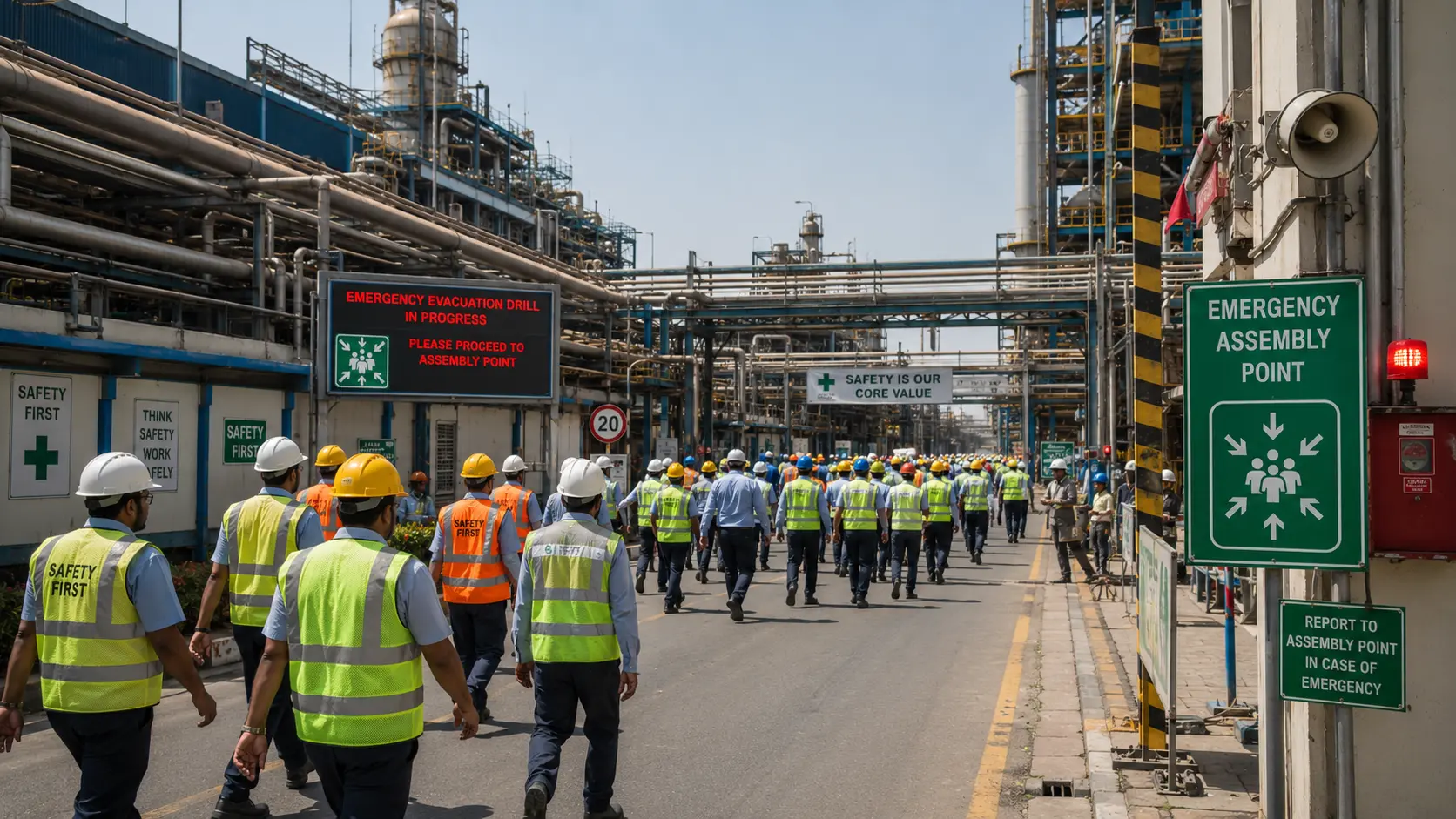
Industrial facilities face a wide range of emergency risks, including fires, chemical releases, gas leaks, equipment failures, explosions, and structural incidents. A well-developed emergency evacuation plan industrial facility teams can follow is essential for protecting workers, minimizing operational disruption, and meeting regulatory obligations.
When evacuation procedures are unclear, confusion can delay response efforts and increase the risk of injury. Manufacturing plants often contain hazardous materials, heavy machinery, confined spaces, and complex layouts that make emergency response more challenging than in standard commercial buildings.
An effective evacuation plan provides clear procedures, designated responsibilities, emergency equipment requirements, and evacuation routes. Indian Inovatix Limited, Ahmedabad, Gujarat, India supports industrial safety through certified emergency evacuation solutions, fall protection systems, confined space equipment, and over 50 years of manufacturing expertise.
Key Takeaways
- Every manufacturing facility should maintain a documented emergency evacuation plan supported by training and drills.
- An effective emergency evacuation plan industrial facility program includes risk assessments, evacuation routes, assembly points, and emergency response procedures.
- Regular evacuation drills help identify bottlenecks and improve worker readiness.
- Emergency egress systems, communication tools, and evacuation equipment play a critical role during emergencies.
- Compliance with workplace safety regulations requires organizations to establish emergency preparedness measures.
What Is an Emergency Evacuation Plan for an Industrial Facility?
An emergency evacuation plan industrial facility program is a documented system that defines how workers safely leave hazardous areas during emergencies while supporting accountability, communication, and emergency response activities.
Industrial environments present unique challenges because of hazardous processes, large workforces, restricted access areas, and specialized equipment.
A comprehensive evacuation plan should address:
- Fire emergencies
- Chemical releases
- Gas leaks
- Explosions
- Structural failures
- Natural disasters
- Security incidents
The goal is to ensure every worker understands how to respond quickly and safely.
Indian regulations and workplace safety requirements emphasize the importance of emergency preparedness, evacuation planning, and worker protection.
Why Is Evacuation Planning Critical in Manufacturing Plants?
Manufacturing facilities often contain combustible materials, hazardous chemicals, high-temperature processes, and moving machinery.
Without a structured evacuation strategy, workers may encounter:
- Delayed evacuation
- Route congestion
- Communication failures
- Increased injury risks
- Operational disruption
Effective planning helps organizations reduce these risks while supporting regulatory compliance.
Key Components of an Industrial Emergency Evacuation Guide
An industrial emergency evacuation guide is a structured framework that establishes evacuation procedures, responsibilities, emergency resources, and communication systems for emergency situations.
Every evacuation plan should contain several critical elements.
Risk Assessment and Hazard Identification
Risk assessment is the foundation of evacuation planning.
Organizations should evaluate:
- Fire hazards
- Chemical storage areas
- Gas systems
- Confined spaces
- Electrical hazards
- Process equipment risks
- Structural vulnerabilities
Hazard identification helps determine evacuation priorities and emergency response requirements.
Facilities handling hazardous chemicals should conduct regular reviews as operational conditions change.
Emergency Roles and Responsibilities
Clear accountability improves evacuation performance.
Key responsibilities typically include:
| Role | Responsibility |
| Incident Commander | Overall emergency coordination |
| Safety Officer | Worker accountability |
| Floor Wardens | Area evacuation support |
| Emergency Response Team | Initial incident response |
| Supervisors | Personnel accountability |
Workers should understand their responsibilities before an emergency occurs.
Communication Systems
Reliable communication supports faster decision-making during emergencies.
Facilities should establish:
- Alarm systems
- Public address systems
- Emergency notification platforms
- Two-way radios
- Backup communication methods
Communication systems should be tested regularly to verify effectiveness.
Evacuation Planning Manufacturing Plant Operations Can Depend On
Evacuation planning manufacturing plant teams require must account for facility layout, occupancy levels, production processes, and potential hazards.
Manufacturing facilities often operate continuously, making evacuation planning more complex.
Several factors influence evacuation strategy:
| Planning Factor | Impact |
| Workforce Size | Exit capacity requirements |
| Facility Layout | Route planning |
| Hazardous Materials | Emergency procedures |
| Shift Operations | Staffing considerations |
| Equipment Locations | Evacuation accessibility |
Planning should address both normal operations and maintenance activities.
How Should Evacuation Routes Be Designed?
Evacuation routes should provide workers with safe and direct access to designated assembly points.
Best practices include:
- Mark routes clearly.
- Maintain adequate lighting.
- Remove obstructions.
- Inspect routes regularly.
- Install emergency signage.
- Establish alternate routes.
Route design should account for disabled workers and visitors where applicable.
Periodic inspections help ensure continued accessibility.
Emergency Egress Industrial Requirements and Best Practices
Emergency egress industrial systems provide safe pathways for workers to exit hazardous areas during emergencies.
Egress systems include:
- Exit doors
- Stairways
- Escape corridors
- Emergency lighting
- Exit signage
- Muster points
Proper egress design significantly improves evacuation efficiency.
What Makes an Effective Emergency Egress System?
An effective emergency egress industrial system remains accessible, visible, and functional during emergencies.
Critical characteristics include:
- Clear directional signage
- Adequate route width
- Emergency illumination
- Obstruction-free pathways
- Multiple exit options
Facilities should conduct routine inspections to identify deficiencies before emergencies occur.
Emergency Egress Checklist
Safety teams should verify:
| Inspection Item | Status Requirement |
| Exit Signs | Clearly visible |
| Emergency Lighting | Fully operational |
| Escape Routes | Obstruction free |
| Exit Doors | Functional |
| Muster Areas | Clearly marked |
| Communication Systems | Tested regularly |
Documented inspections support audit readiness and continuous improvement.
Building an Effective Emergency Response and Evacuation Process
Emergency response procedures must work alongside evacuation planning to ensure coordinated action during incidents.
An effective process includes:
- Incident detection
- Alarm activation
- Worker notification
- Area evacuation
- Muster point accountability
- Emergency response coordination
- Incident review
Each step should be documented and practiced through drills.
Organizations should establish response procedures for different emergency scenarios.
What Information Should Every Worker Know?
Workers should understand:
- Alarm meanings
- Evacuation routes
- Assembly point locations
- Emergency contacts
- Reporting procedures
- Accountability requirements
Training helps transform written procedures into practical actions.
Why Evacuation Drills Matter
Evacuation drills validate emergency plans and identify weaknesses before actual emergencies occur.
Regular drills help organizations:
- Measure evacuation times
- Improve worker familiarity
- Test communication systems
- Verify accountability procedures
- Evaluate route effectiveness
Facilities should document drill findings and implement corrective actions.
How Often Should Industrial Facilities Conduct Evacuation Drills?
The appropriate frequency depends on facility risks, workforce size, and regulatory requirements.
Many facilities conduct:
- Quarterly departmental drills
- Semi-annual facility drills
- Annual comprehensive emergency exercises
High-risk facilities may require more frequent testing.
Results should be reviewed by safety leadership teams.
Emergency Evacuation Equipment for Industrial Facilities
Emergency equipment supports safe evacuation and emergency response activities.
Common equipment includes:
| Equipment | Purpose |
| Emergency Lighting | Route visibility |
| Escape Respirators | Hazardous atmosphere protection |
| Rescue Harnesses | Elevated rescue operations |
| Emergency Escape Devices | Controlled evacuation |
| Communication Systems | Coordination |
| First Aid Equipment | Immediate medical response |
Equipment selection should align with identified hazards and emergency response objectives.
What Equipment Is Required for High-Risk Industrial Sites?
Facilities with elevated work areas or confined spaces may require specialized rescue and evacuation equipment.
Examples include:
- Tripods
- Rescue winches
- Escape devices
- Fall arrest systems
- Retrieval systems
Equipment should comply with applicable EN, ANSI, and industry standards.
Real-World Emergency Preparedness Lessons
Emergency preparedness improves when organizations learn from real operational challenges.
Industrial facilities frequently discover evacuation weaknesses through drills rather than incidents.
Common findings include:
- Route congestion
- Alarm audibility issues
- Accountability delays
- Equipment access problems
Addressing these issues before emergencies significantly improves response effectiveness.
Indian Inovatix Limited, Ahmedabad, Gujarat, India has manufactured certified safety systems for over five decades. The company has protected more than 500,000 workers, installed over 1 lakh metres of fall arrest systems, and supplies industries including infrastructure, manufacturing, oil and gas, telecom, and power generation.
Strong Emergency Planning Protects Workers and Operations
Emergency preparedness is a core component of industrial risk management. A documented emergency evacuation plan industrial facility teams understand and practice can reduce injuries, improve compliance, and strengthen operational resilience.
Indian Inovatix Limited serves as a manufacturer, supplier, and specialist in height safety, emergency evacuation, and industrial safety solutions. With a 33,000 sq ft manufacturing facility, EN and ANSI certified products, and a history of innovation dating back to 1979, the company continues to support safer workplaces across India.
When the Alarm Sounds, Every Second Matters
A written evacuation plan is only effective when supported by proper equipment, worker training, and regular drills. Reviewing your emergency preparedness program today can help prevent delays and confusion during future incidents.
Get a compliance-ready emergency evacuation assessment for your manufacturing facility. Our safety specialists can review your risks, evacuation routes, rescue requirements, and equipment needs.
Call us at +91-8849452638 or write to info@indianinovatix.com to get started.
Frequently Asked Questions
What is an emergency evacuation plan industrial facility program?
An emergency evacuation plan industrial facility program defines how workers safely leave hazardous areas during emergencies. It includes routes, responsibilities, communication procedures, and accountability measures. Regular reviews help maintain effectiveness.
Why is an industrial emergency evacuation guide important?
It provides clear instructions during emergencies and reduces confusion. A documented guide improves worker safety and supports regulatory compliance. It also helps emergency response teams coordinate actions effectively.
What should evacuation planning manufacturing plant teams include?
Manufacturing plant evacuation plans should include hazard assessments, exit routes, communication systems, emergency roles, and assembly points. Training and drills should also be incorporated. Site-specific risks must be addressed.
What is emergency egress industrial planning?
Emergency egress industrial planning focuses on safe exit pathways during emergencies. It includes signage, lighting, exits, and route accessibility. Proper planning helps reduce evacuation delays.
How often should industrial evacuation drills be conducted?
The frequency depends on facility risks and regulatory requirements. Many facilities conduct drills at least annually, while higher-risk sites perform them more frequently. Results should be documented and reviewed.
What are common evacuation hazards in manufacturing plants?
Common hazards include fires, chemical leaks, explosions, equipment failures, and gas releases. Each hazard may require different response procedures. Risk assessments help identify priorities.
What emergency equipment supports industrial evacuation?
Emergency lighting, communication systems, escape respirators, rescue harnesses, and emergency escape devices are commonly used. Equipment selection depends on facility hazards. Regular inspections are essential.
Which regulations influence industrial evacuation planning in India?
The Factories Act 1948, Occupational Safety, Health and Working Conditions Code, and industry-specific safety requirements influence emergency preparedness programs. Organizations should verify site-specific obligations. Compliance requirements vary by industry.
What is a muster point?
A muster point is a designated safe assembly area where workers gather after evacuation. Supervisors verify personnel accountability at these locations. Muster points should be clearly identified and accessible.
Why should evacuation plans be reviewed annually?
Facility layouts, workforce size, and operational risks can change over time. Annual reviews help maintain readiness and improve compliance. Lessons from drills should also be incorporated.


Talk to Our Safety & Protection Specialists
Have questions or need guidance? Our experts can help you choose the most reliable and high-performance safety solutions tailored to your industry and site requirements.
-

- Call Us +91-8849452638
Need Help Determining the Right Fall Protection for You?
With our vast experience, our experts will assist you in selecting the most relevant system for your needs.