
January 23, 2026
Confined spaces such as tanks, manholes, pits, silos, and underground chambers present serious safety risks. Limited access, poor ventilation, and restricted movement make rescue operations difficult if an emergency occurs. To manage these risks, employers must use reliable access and rescue equipment designed specifically for confined space work.
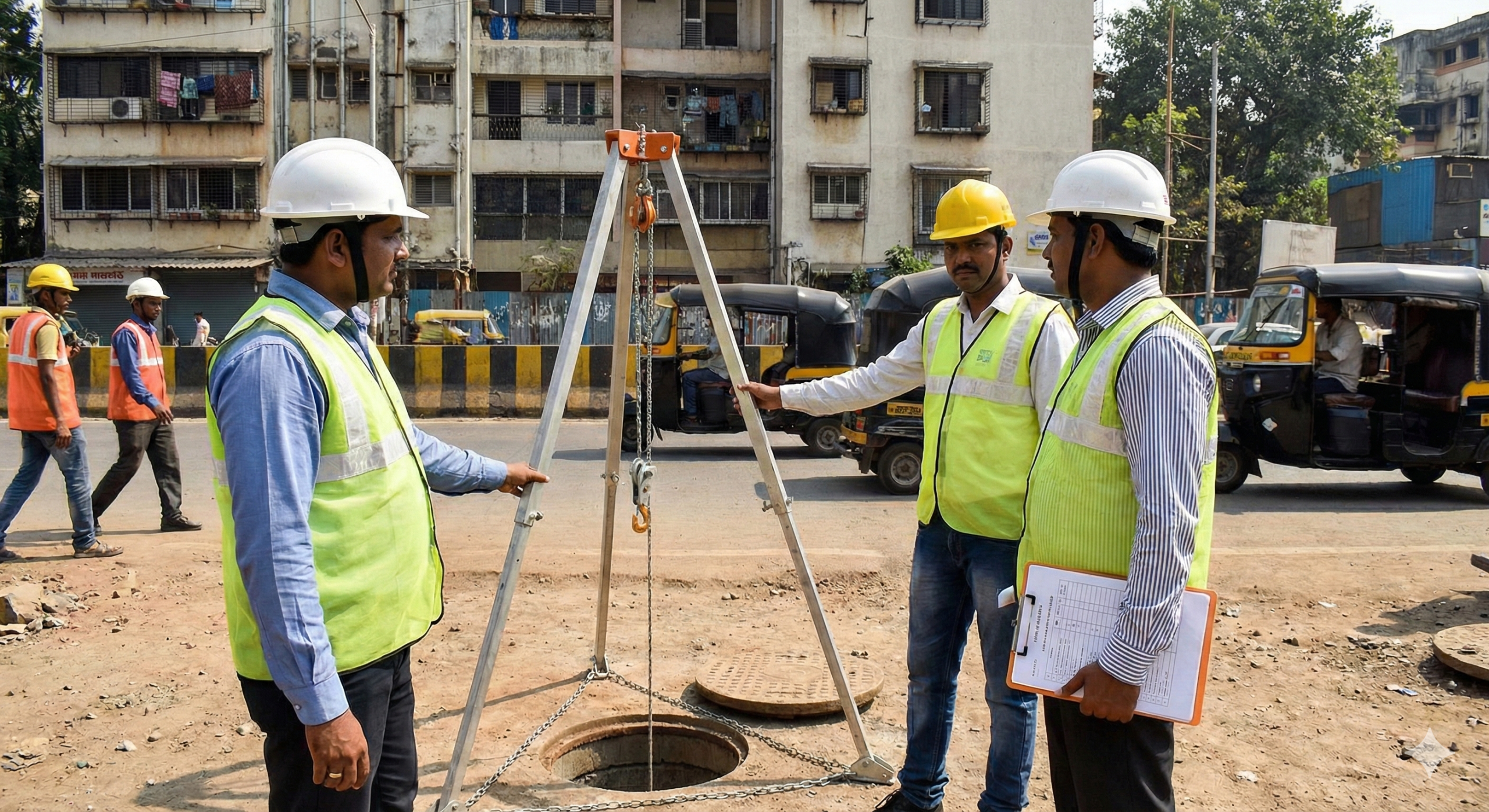
A confined space tripod is one of the most widely used safety devices for safe entry, exit, and rescue in vertical confined spaces. Choosing the right tripod for your job site is critical for worker safety, compliance, and operational efficiency.
Understanding how confined space tripods work and what factors to consider before selection helps ensure the right solution is installed for each application.
What Is a Confined Space Tripod
A confined space tripod is a portable anchorage and lifting device used for vertical entry and rescue operations. It is positioned over a confined space opening and supports lifting equipment such as winches, retrieval blocks, or self retracting lifelines.
Tripods allow workers to enter confined spaces safely while providing a controlled method for emergency retrieval if required. They are commonly used across industrial plants, utilities, infrastructure projects, and maintenance operations.
Why Choosing the Right Tripod Matters
Not all confined spaces are the same. The size of the opening, depth of the space, load requirements, and frequency of use vary across job sites. Selecting an incorrect tripod can lead to unsafe conditions, equipment failure, or non compliance with safety standards.
The right confined space tripod helps ensure:
- Safe vertical entry and exit
- Reliable emergency rescue capability
- Proper load distribution
- Stability on uneven surfaces
- Compliance with workplace safety regulations
Key Factors to Consider When Choosing a Confined Space Tripod
1. Load Capacity Requirements
One of the most important factors is the load capacity of the tripod. The tripod must support the combined weight of the worker, tools, and rescue equipment.
Always check:
- Maximum rated load for personnel lifting
- Rescue load capacity
- Compatibility with winches and lifelines
Tripods should be selected with sufficient safety margin for emergency conditions.
2. Height and Adjustable Leg Range
Confined spaces vary in opening size and depth. A tripod with adjustable legs allows proper positioning over different openings.
Consider:
- Maximum and minimum working height
- Leg adjustment range
- Ability to position over wide or narrow openings
Adjustability improves stability and ensures correct alignment with the confined space entry point.
3. Stability and Ground Conditions
Job sites often have uneven or slippery surfaces. The tripod must remain stable during both normal entry and rescue operations.
Key features to look for:
- Non slip feet or base plates
- Locking leg mechanisms
- Wide leg spread for improved balance
Stable positioning reduces the risk of tipping or movement during lifting.
4. Compatibility with Rescue Equipment
A confined space tripod works together with lifting and fall protection devices. Ensure the tripod is compatible with:
- Manually operated winches
- Retrieval blocks
- Self retracting lifelines with rescue capability
- Pulleys and connectors
The tripod should include certified attachment points for safe integration with rescue systems.
5. Material and Environmental Conditions
Tripods are used in a wide range of environments, including corrosive industrial sites and outdoor locations.
Material selection should consider:
- Resistance to corrosion and chemicals
- Suitability for indoor and outdoor use
- Strength to weight ratio
Aluminum and galvanized steel tripods are commonly used due to their durability and ease of handling.
6. Ease of Transport and Setup
Many job sites require frequent relocation of confined space equipment. A good tripod should be easy to transport and quick to assemble.
Look for:
- Lightweight design
- Compact folding or collapsible structure
- Simple setup without special tools
Efficient setup saves time and reduces manual handling risks.
7. Compliance with Safety Standards
Always select a confined space tripod that meets applicable safety standards and manufacturer requirements.
Ensure the tripod is:
- Tested for personnel lifting
- Supplied with clear usage instructions
- Supported by inspection and maintenance guidelines
Compliance helps meet workplace safety obligations and audit requirements.
Common Applications of Confined Space Tripods
Confined space tripods are widely used in:
- Manholes and sewer systems
- Storage tanks and silos
- Underground utility chambers
- Process vessels
- Wells and pits
- Industrial maintenance operations
Each application may require specific accessories or configurations.
Importance of Inspection and Maintenance
Like all safety equipment, confined space tripods must be inspected regularly.
Inspection should include:
- Visual checks before each use
- Inspection of legs, locking mechanisms, and attachment points
- Verification of winch and lifeline operation
- Annual inspection by a qualified safety inspector
Any damaged or malfunctioning equipment must be removed from service immediately.
Training and Safe Use
Proper training is essential for safe confined space operations.
Workers and supervisors should be trained on:
- Correct tripod setup
- Load limits and equipment compatibility
- Entry and retrieval procedures
- Emergency response actions
Training improves confidence and reduces the risk of misuse during critical operations.
Why Indian Inovatix Confined Space Solutions
Indian Inovatix designs and supplies confined space access and rescue solutions for industrial and infrastructure environments. Our systems are engineered to support safe entry, controlled lifting, and reliable rescue operations.
Indian Inovatix supports clients with:
- Certified confined space tripods
- Compatible rescue and retrieval equipment
- Technical guidance for system selection
- Support for inspection and safe use practices
Each solution is developed with a focus on safety, reliability, and compliance.
Conclusion
Choosing the best confined space tripod for your job site requires careful evaluation of load capacity, stability, compatibility, and working conditions. A properly selected tripod supports safe entry, efficient rescue, and compliance with confined space safety requirements.
By understanding site needs and selecting certified equipment, organizations can reduce risks and protect workers operating in confined environments.
Every worker deserves safety. Contact or enquire now with Indian Inovatix for confined space tripods, rescue solutions, and expert guidance for your job site.
Frequently Asked Questions
1. What is a confined space tripod used for
A confined space tripod is used for safe entry, exit, and rescue in vertical confined spaces such as manholes, tanks, and pits. It supports lifting and retrieval equipment.
2. Is a confined space tripod mandatory
A tripod is required when vertical entry and rescue are needed and no fixed anchorage is available. It helps meet confined space safety requirements.
3. How much weight can a confined space tripod support
Load capacity varies by model. The tripod must support the combined weight of the worker, tools, and rescue equipment. Always follow manufacturer ratings.
4. Can a confined space tripod be used with a winch or lifeline
Yes. Confined space tripods are designed to work with winches, retrieval blocks, and self retracting lifelines used for rescue operations.
5. How often should confined space tripods be inspected
Tripods should be checked before each use and inspected periodically by a competent person. A detailed inspection should be conducted at least once a year.
6. Can confined space tripods be used outdoors
Yes. Many tripods are suitable for outdoor use when made from corrosion resistant materials such as aluminum or galvanized steel.
7. Who is responsible for confined space tripod safety
The employer is responsible for ensuring that tripods are selected correctly, inspected regularly, and used by trained personnel.
8. What training is required to use a confined space tripod
Workers must be trained in tripod setup, load limits, entry procedures, and emergency rescue actions before use.
Latest Post
- January 28, 2026 Top Rated Fall Arrest System Manufacturers for Construction Workers
- January 23, 2026 How to Choose the Best Confined Space Tripod for Your Job Site
- January 18, 2026 Rooftop Fall Arrest System Explained for Construction and Maintenance Teams
- January 16, 2026 How to Choose the Right Fall Arrest System for Rooftop Work

Corporate Profile
Download CatalogueTalk to Our Safety & Protection Specialists
Have questions or need guidance? Our experts can help you choose the most reliable and high-performance safety solutions tailored to your industry and site requirements.
-

- Call Us +91-8849452638
Need Help Determining the Right Fall Protection for You?
With our vast experience, our experts will assist you in selecting the most relevant system for your needs.