May 13, 2026
Industrial accidents often happen because small safety violations go unnoticed until a serious incident occurs. Industrial workplace safety violations increase injury risks, trigger compliance penalties, and disrupt operations across factories, construction sites, warehouses, telecom towers, and process plants.
According to the Factories Act 1948 and OSHA safety guidelines, employers must maintain safe working environments, provide certified protective equipment, and implement documented safety procedures. Yet many industrial sites still struggle with recurring compliance failures.
Indian Inovatix Ltd., Ahmedabad, Gujarat, India, has spent over 50 years manufacturing certified fall protection systems, confined space safety equipment, and industrial rescue solutions.
This article explains the most common industrial safety violations, why they occur, and practical ways organizations can prevent them.
Key Takeaways
- Industrial workplace safety violations often result from poor training, missing PPE, and weak inspection systems.
- Fall protection failures remain one of the leading causes of serious industrial injuries.
- OSHA, EN, ANSI, and IS safety standards require documented compliance procedures.
- Regular audits, certified equipment, and worker training significantly reduce incidents.
- Indian Inovatix Ltd., Ahmedabad, manufactures certified safety systems for industrial compliance and worker protection.
- Preventive safety planning reduces downtime, legal risk, and operational losses.
Why Do Industrial Safety Violations Keep Happening?
Industrial safety violations happen when workplaces ignore preventive controls, inspection routines, or regulatory standards. Most violations develop gradually through unsafe habits, delayed maintenance, or incomplete safety training.
Large industrial facilities often operate under tight production schedules. Safety checks sometimes become secondary to operational targets. This creates conditions where unsafe practices become normalized.
Common contributing factors include:
| Safety Risk Factor | Impact on Workplace Safety |
| Inadequate worker training | Incorrect equipment use |
| Missing PPE enforcement | Higher injury risk |
| Poor maintenance schedules | Equipment failure |
| Weak supervision | Unsafe shortcuts |
| Non-certified equipment | Regulatory non-compliance |
| Lack of rescue planning | Delayed emergency response |
Organizations that maintain documented inspection systems usually experience fewer incidents and lower compliance risks.
Failure to Use Proper Fall Protection Systems
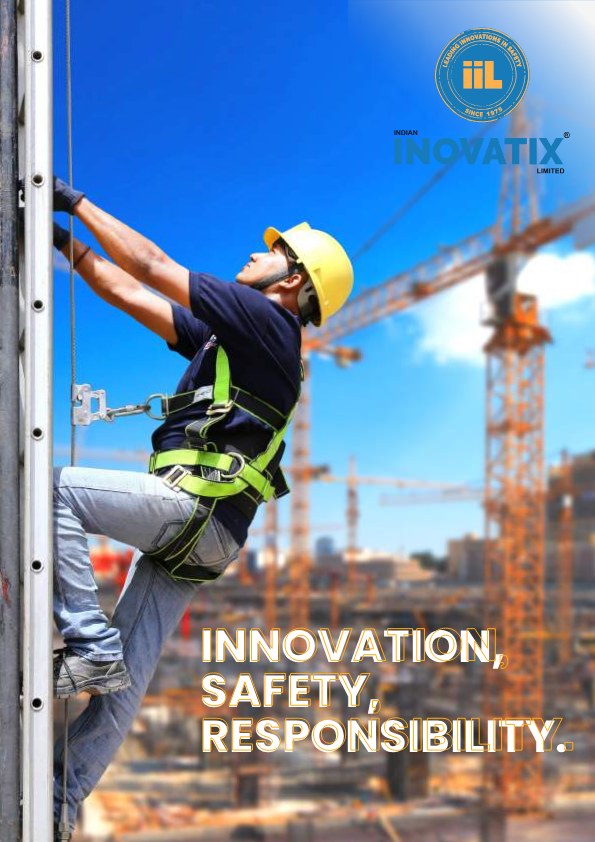
Fall protection violations remain one of the most common industrial safety issues worldwide. Workers operating at height without certified systems face severe injury and fatality risks.
According to OSHA and EN 361 requirements, workers exposed to fall hazards must use approved harnesses, anchor systems, and lifelines. Industrial sectors such as construction, telecom, energy, warehousing, and infrastructure projects face particularly high exposure.
Common fall protection violations include:
- Using non-certified harnesses
- Improper anchor point installation
- Damaged lanyards or connectors
- Missing horizontal lifeline systems
- No rescue planning for suspended workers
Indian Inovatix Ltd., Ahmedabad, Gujarat, manufactures certified full-body harnesses, vertical lifelines, and fixed fall arrest systems designed for industrial environments.
What Are the Risks of Improper Fall Protection?
Improper fall protection increases arrest force exposure and causes uncontrolled falls. Poorly positioned anchor systems can also create swing-fall hazards.
For example, an EPC contractor working on a refinery expansion in Gujarat reduced height-related incidents after installing engineered horizontal lifeline systems with certified anchor points. Site compliance audits improved significantly after implementation.
The following table compares compliant and non-compliant fall protection practices:
| Non-Compliant Practice | Compliant Alternative |
| Temporary rope tie-offs | Certified anchor systems |
| Waist belts for fall arrest | EN 361 full-body harness |
| Unverified anchor structures | Engineered load-rated anchors |
| No rescue planning | Pre-planned rescue procedures |
| Damaged lanyards | Periodically inspected PPE |
Organizations that prioritize certified fall protection systems improve both worker safety and audit readiness.
Inadequate Lockout Tagout Procedures
Lockout tagout failures expose workers to unexpected machine startup and stored energy hazards. These incidents often occur during maintenance, cleaning, or repair activities.
OSHA lockout tagout standards require complete isolation of hazardous energy before servicing machinery. However, many facilities still depend on verbal instructions instead of documented procedures.
Typical violations include:
- Missing lockout devices
- Shared lock keys
- Incomplete isolation procedures
- No verification testing
- Unauthorized equipment restart
These failures can cause crushing injuries, electrocution, burns, and equipment damage.
Also read: Difference Between Indian (IS), European (EN), & OSHA Standards Explained
Why Is Lockout Tagout Compliance Important?
Lockout tagout compliance prevents accidental machine activation during maintenance work. It also protects facilities from severe legal and operational consequences.
Facilities with structured lockout systems generally experience:
| Benefit | Operational Impact |
| Reduced injury risk | Safer maintenance activities |
| Fewer shutdown incidents | Improved productivity |
| Better audit scores | Easier compliance management |
| Lower repair costs | Reduced equipment damage |
Documented energy isolation procedures should become part of every industrial safety program.
Poor Personal Protective Equipment Compliance
Improper PPE usage exposes workers to avoidable injuries. Many industrial sites provide PPE but fail to enforce correct usage consistently.
Factories Act 1948 compliance requires employers to provide suitable safety equipment for hazardous operations. PPE categories may include:
- Safety helmets
- Face shields
- Chemical-resistant gloves
- Safety harnesses
- Respiratory protection
- Protective footwear
Indian Inovatix Ltd. manufactures industrial-grade safety harnesses designed for construction, telecom, and infrastructure applications.
Why Do Workers Ignore PPE Requirements?
Workers often avoid PPE because of discomfort, poor fit, or inadequate supervision. Low-quality equipment also reduces compliance rates.
An Ahmedabad manufacturing facility improved PPE compliance after replacing generic harnesses with certified ergonomic systems designed for extended industrial use. Worker adoption increased because the equipment reduced fatigue during long shifts.
Proper PPE management requires:
- Certified equipment procurement
- Worker fit testing
- Daily inspection routines
- Supervisor enforcement
- Replacement schedules
Consistent PPE enforcement builds long-term workplace safety culture.
Unsafe Confined Space Entry Practices
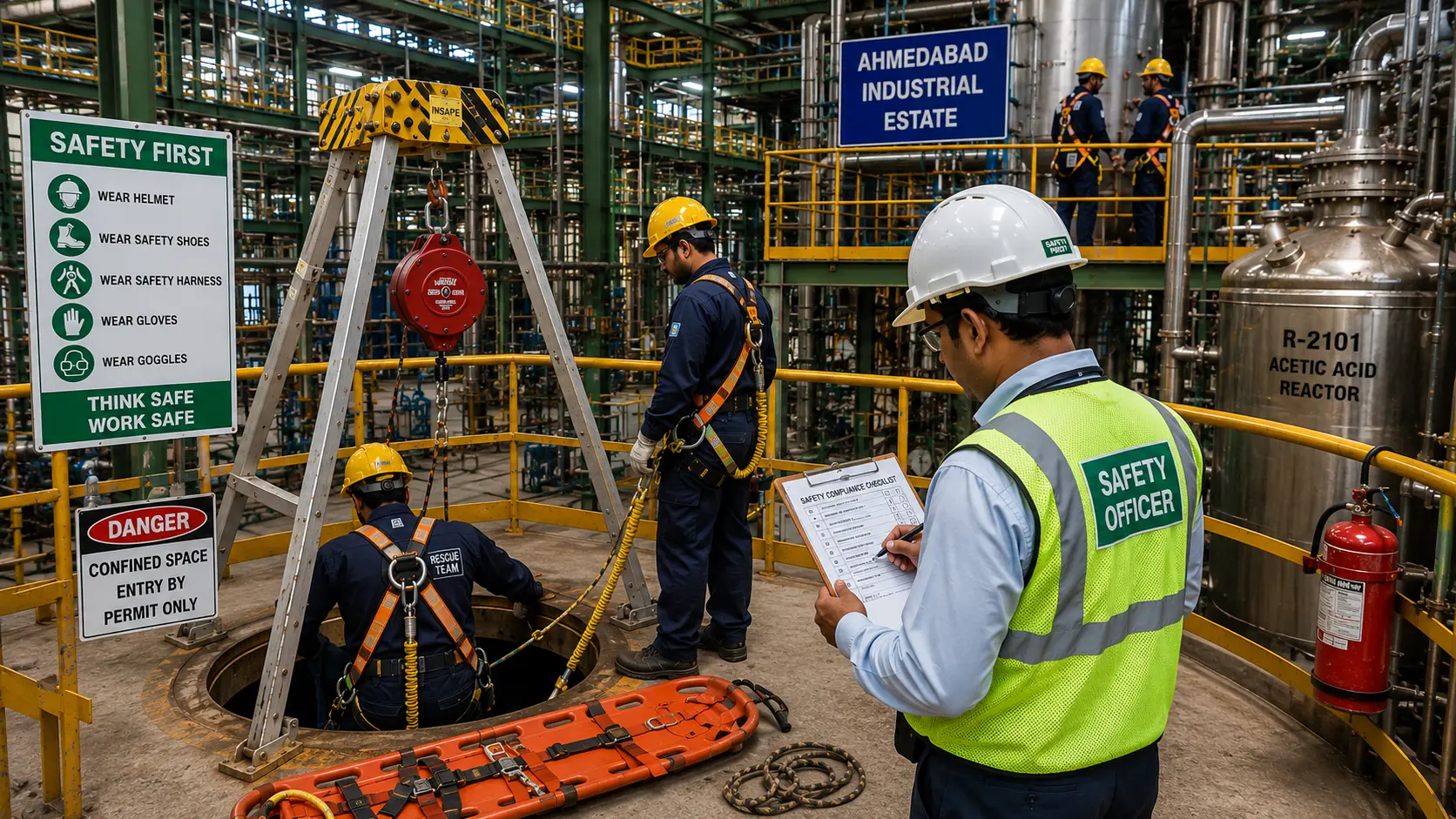
Confined space violations create serious oxygen deficiency, toxic exposure, and entrapment risks. Tanks, silos, pits, and process vessels require controlled entry procedures.
A confined space is an enclosed work area with restricted access and potential atmospheric hazards. OSHA and IS safety guidelines require permits, gas monitoring, rescue plans, and trained attendants.
Common violations include:
| Unsafe Practice | Safety Risk |
| No gas testing | Toxic exposure |
| Missing rescue system | Delayed emergency response |
| Untrained entrants | Improper hazard response |
| No standby attendant | Lack of monitoring |
| Poor ventilation | Oxygen deficiency |
Indian Inovatix Ltd., Ahmedabad, supplies confined space tripods, retrieval systems, and rescue devices for industrial operations.
What Equipment Is Required for Confined Space Safety?
Confined space safety requires retrieval systems, gas detectors, rescue equipment, and communication systems. Proper planning reduces rescue delays during emergencies.
Industrial facilities should conduct:
- Atmospheric testing before entry
- Continuous gas monitoring
- Permit-based entry approval
- Rescue drills and simulations
- Equipment inspections before use
Confined space rescue planning remains essential for compliance and worker survival.
Blocked Emergency Exits and Escape Routes
Blocked exits delay evacuation during fires, gas leaks, or structural emergencies. Many facilities unintentionally obstruct exits with materials or equipment.
Emergency exit violations commonly include:
- Locked exits
- Poor emergency lighting
- Obstructed escape paths
- Missing exit signage
- Unmarked assembly points
These failures increase evacuation times during emergencies.
How Can Facilities Improve Emergency Evacuation Safety?
Facilities improve evacuation safety through inspections, drills, and clear escape route management. Emergency planning must remain visible and regularly updated.
Organizations should implement:
- Monthly evacuation audits
- Emergency signage inspections
- Fire and rescue drills
- Backup lighting systems
- Clearly marked assembly areas
Fast evacuation saves lives during industrial emergencies.
Improper Scaffold and Ladder Usage
Unsafe ladder and scaffold practices cause serious injuries across industrial projects. Many incidents occur because workers use damaged or unstable access systems.
Construction and maintenance sites frequently violate scaffold safety standards through:
| Violation | Risk |
| Overloaded platforms | Structural collapse |
| Missing guardrails | Fall hazards |
| Damaged ladders | Slip and collapse |
| Improper footing | Instability |
| No inspection records | Hidden defects |
Industrial access systems require regular inspections and load verification.
What Makes Scaffold Operations Safer?
Safe scaffold operations depend on proper erection, inspection, and worker training. Certified access systems reduce structural failure risks.
An infrastructure contractor working on elevated steel structures improved site safety after implementing documented scaffold inspections and fixed lifeline systems from Indian Inovatix Ltd.
Organizations should maintain:
- Scaffold inspection records
- Certified access equipment
- Worker competency training
- Daily pre-use inspections
- Load capacity documentation
Access system safety directly affects operational continuity.
Electrical Safety Violations
Electrical hazards cause burns, shocks, arc flashes, and equipment fires. Industrial plants with aging infrastructure face increased electrical risks.
Common electrical violations include:
- Exposed wiring
- Improper grounding
- Unauthorized repairs
- Overloaded circuits
- Missing lockout systems
Electrical safety programs must follow applicable IS and OSHA standards.
Why Are Electrical Safety Audits Necessary?
Electrical safety audits identify hidden hazards before failures occur. Regular inspections reduce fire risks and equipment downtime.
Facilities should conduct:
| Audit Activity | Purpose |
| Thermal scanning | Detect overheating |
| Grounding inspections | Prevent shock hazards |
| Panel maintenance | Reduce equipment failure |
| Cable inspection | Identify wear and damage |
| Arc flash assessment | Improve worker protection |
Electrical safety management supports both compliance and productivity.
Inadequate Machine Guarding
Machine guarding violations expose workers to rotating parts, cutting surfaces, and crush points. Many injuries happen during cleaning or adjustment activities.
Proper guarding systems prevent accidental contact with dangerous machine components.
Common failures include:
- Removed machine guards
- Temporary bypass systems
- Incomplete barriers
- Missing interlocks
- Unlabeled danger zones
Machine safety requires both engineering controls and operational discipline.
How Does Proper Machine Guarding Reduce Injuries?
Machine guarding isolates workers from hazardous moving components. It reduces direct exposure during production and maintenance tasks.
Industrial operations should maintain:
- Interlocked safety guards
- Guard inspection schedules
- Emergency stop systems
- Operator safety training
- Maintenance verification procedures
Preventive guarding systems significantly lower workplace injury rates.
Poor Safety Training and Documentation
Weak training programs create unsafe worker behavior and inconsistent compliance practices. Documentation gaps also increase legal exposure during audits.
Safety training should cover:
| Training Area | Importance |
| PPE usage | Injury prevention |
| Height safety | Fall prevention |
| Confined space entry | Hazard recognition |
| Emergency response | Faster evacuation |
| Equipment inspection | Failure prevention |
Many industrial incidents occur because temporary workers receive incomplete onboarding.
What Should Industrial Safety Training Include?
Industrial safety training should include practical demonstrations, emergency drills, and documented competency assessments. Refresher programs help maintain long-term compliance.
Organizations that conduct regular toolbox talks often report improved hazard reporting and lower incident rates.
Training records also support regulatory audits and insurance evaluations.
Lack of Preventive Equipment Inspections
Missed inspections allow damaged equipment to remain in service. This increases failure risk during critical operations.
Industrial inspections should cover:
- Harness stitching integrity
- Anchor point corrosion
- Ladder stability
- Lifeline tension systems
- Rescue equipment functionality
Indian Inovatix Ltd. recommends periodic inspection schedules for all height safety systems based on EN and ANSI requirements.
Why Are Equipment Inspections Critical for Compliance?
Equipment inspections identify wear, corrosion, and hidden defects before failures occur. Preventive maintenance reduces operational interruptions and accident risks.
Facilities should implement:
| Inspection Type | Frequency |
| PPE visual inspection | Daily |
| Lifeline inspection | Monthly |
| Anchor testing | Annual |
| Rescue equipment testing | Quarterly |
| Full compliance audit | Yearly |
Inspection records demonstrate proactive safety management during audits.
How Industrial Workplaces Can Build Stronger Safety Culture
Strong safety culture reduces violations through accountability, training, and leadership involvement. Organizations with visible safety leadership usually experience better compliance outcomes.
Effective safety culture strategies include:
- Conducting regular site audits
- Encouraging hazard reporting
- Using certified safety equipment
- Performing emergency drills
- Reviewing near-miss incidents
- Updating SOPs regularly
Indian Inovatix Ltd., Ahmedabad, Gujarat, India, supports industrial safety programs through certified manufacturing, engineered solutions, and compliance-focused product systems.
Organizations that treat safety as an operational priority achieve better workforce stability and lower long-term risk exposure.
Strengthen Industrial Safety Before Violations Become Incidents
Industrial safety failures rarely happen without warning signs. Most violations begin with ignored inspections, incomplete training, or uncertified equipment.
Indian Inovatix Ltd., Ahmedabad, Gujarat, India, manufactures certified industrial safety systems designed for compliance, reliability, and long-term operational safety. With over 50 years of manufacturing expertise, the company supports EPC contractors, factories, infrastructure projects, and industrial plants across India.
Protect teams before small compliance gaps become major operational risks.
Request a site safety assessment or speak with an Inovatix safety specialist for certified industrial protection solutions.
Frequently Asked Questions
What are the most common industrial workplace safety violations?
The most common violations include fall protection failures, improper PPE usage, unsafe confined space entry, electrical hazards, and missing machine guards. Many incidents happen because of weak inspection systems and incomplete worker training.
Why is fall protection important in industrial workplaces?
Fall protection prevents serious injuries during work at height activities. OSHA and EN 361 standards require certified systems for workers exposed to fall hazards. Proper anchor systems and harnesses improve worker safety significantly.
How often should industrial safety equipment be inspected?
Most industrial PPE should undergo daily visual inspections before use. Lifeline systems, anchors, and rescue devices also require scheduled periodic inspections according to manufacturer and safety standard guidelines.
Which standards apply to industrial safety compliance in India?
Industrial workplaces commonly follow the Factories Act 1948, IS standards, OSHA guidelines, EN certifications, and ANSI safety requirements. Applicable standards depend on the industry and work environment.
What industries face the highest fall protection risks?
Construction, telecom, oil and gas, infrastructure, warehousing, and energy sectors face high fall exposure risks. Workers operating at height require certified protection systems.
How can companies reduce industrial workplace safety violations?
Companies reduce violations through worker training, preventive inspections, certified equipment, and documented safety procedures. Regular audits also improve compliance performance.
What is confined space safety equipment used for?
Confined space safety equipment supports safe entry, monitoring, and rescue operations inside enclosed industrial areas. Common equipment includes tripods, retrieval systems, gas detectors, and rescue winches.
Why are safety audits important for factories?
Safety audits identify hazards before accidents occur. They also improve compliance readiness, reduce downtime, and support preventive maintenance planning.
What role does PPE play in industrial safety?
PPE reduces worker exposure to physical, chemical, electrical, and fall hazards. Properly certified equipment improves both worker safety and compliance outcomes.
Where can industries source certified industrial safety systems in India?
Indian Inovatix Ltd., Ahmedabad, Gujarat, India, manufactures certified fall protection systems, safety harnesses, confined space equipment, and industrial rescue solutions for multiple industrial sectors.


Talk to Our Safety & Protection Specialists
Have questions or need guidance? Our experts can help you choose the most reliable and high-performance safety solutions tailored to your industry and site requirements.
-

- Call Us +91-8849452638
Need Help Determining the Right Fall Protection for You?
With our vast experience, our experts will assist you in selecting the most relevant system for your needs.