July 12, 2026
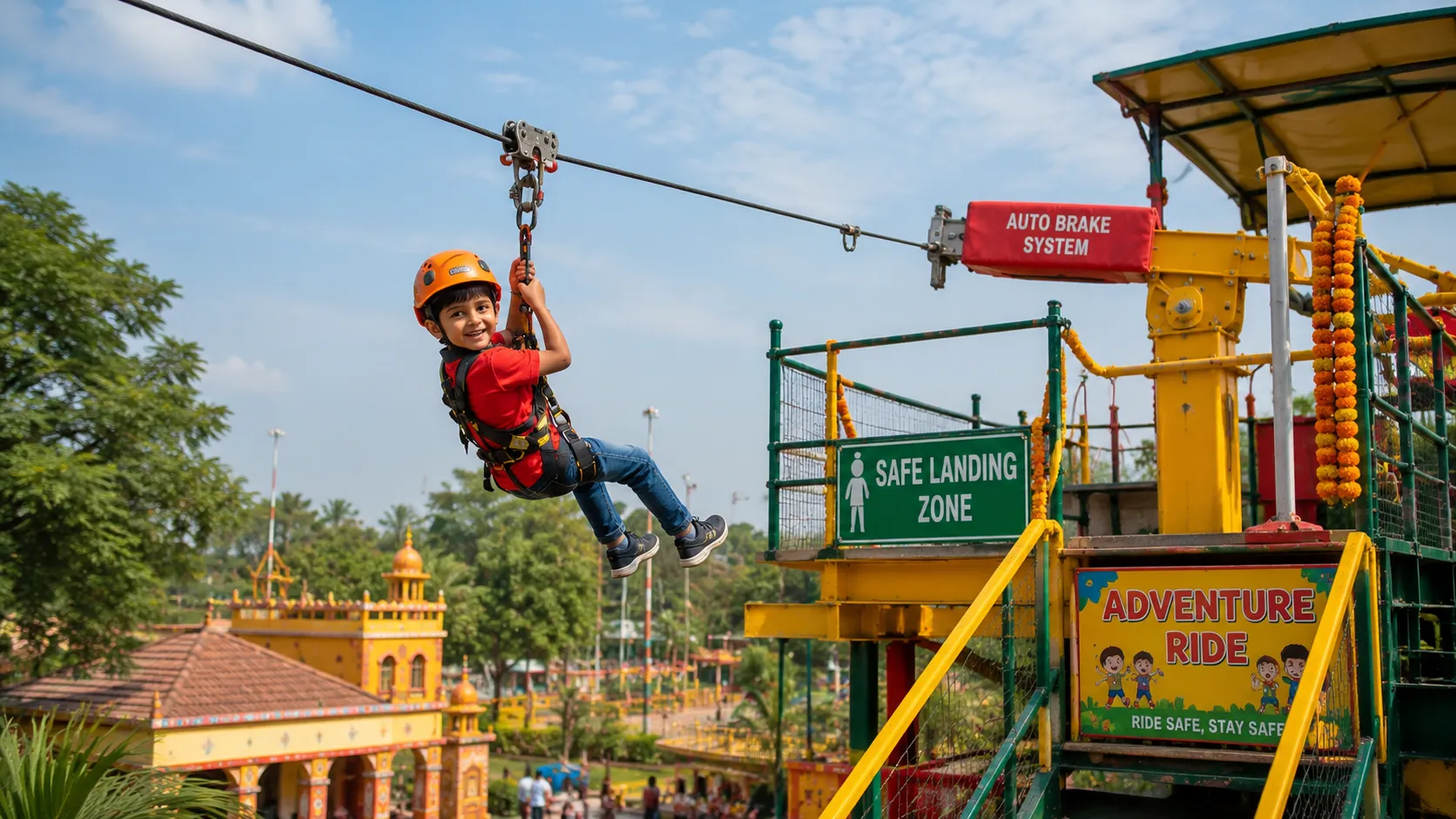
Zipline attractions are designed to deliver excitement while maintaining strict safety standards. A critical component of every zipline installation is the braking system that controls rider speed and ensures a safe stop at the landing platform. Understanding a zipline braking system explained properly helps operators, engineers, and safety managers appreciate how speed control contributes to overall ride safety.
Without effective braking systems, riders could approach landing areas at unsafe speeds. Factors such as rider weight, cable slope, environmental conditions, and ride length all influence zipline velocity. Poor speed management can increase operational risks and affect rider safety.
Modern zipline systems use a combination of gravity calculations, friction-based braking, spring systems, magnetic braking, and engineered landing procedures. Indian Inovatix Limited, Ahmedabad, Gujarat, India applies decades of engineering expertise to safety-critical systems where controlled movement, energy management, and reliable stopping mechanisms are essential.
Key Takeaways
- Gravity is the primary force that moves riders along a zipline cable.
- A properly designed zipline braking system includes speed calculations, braking devices, and controlled landing procedures.
- Friction brakes remain one of the most common zipline stopping methods.
- Zipline speed control depends on rider weight, cable tension, slope angle, and environmental conditions.
- Regular inspections and maintenance are essential for braking system reliability.
What Is a Zipline Braking System?
A zipline braking system is a mechanical or engineered solution that reduces rider speed and brings the participant to a controlled stop at the end of the zipline course.
Every zipline generates kinetic energy as riders travel from a higher elevation to a lower elevation. The braking system manages this energy before the rider reaches the landing platform.
The primary objectives of a braking system are:
- Rider safety
- Controlled deceleration
- Landing platform protection
- Equipment longevity
- Operational consistency
Modern zipline installations typically combine several braking methods to achieve safe stopping performance.
Why Is Braking Necessary on a Zipline?
Gravity continuously accelerates riders throughout portions of the ride.
Without a braking mechanism:
- Riders may impact the landing platform.
- Equipment may suffer damage.
- Operator intervention becomes difficult.
- Safety risks increase significantly.
Effective braking systems convert motion energy into heat, mechanical resistance, or controlled deceleration.
How Does Gravity Affect Zipline Speed?
Gravity is the force that causes riders to move along the zipline cable from a higher elevation toward a lower elevation.
The amount of acceleration depends on several factors:
| Factor | Impact on Speed |
| Elevation Difference | Higher speed potential |
| Cable Slope | Greater acceleration |
| Rider Weight | Influences momentum |
| Cable Length | Affects acceleration distance |
| Wind Conditions | Can increase or reduce speed |
Gravity provides the energy needed for movement, while braking systems manage that energy safely.
Why Do Heavier Riders Often Travel Faster?
Heavier riders generally generate greater momentum during descent.
Although gravity accelerates all riders similarly, increased mass often helps overcome aerodynamic resistance more effectively.
This is why operators account for rider weight during system design and operational planning.
Zipline Speed Control: How Operators Manage Rider Velocity
Zipline speed control involves adjusting design parameters and braking mechanisms to maintain safe operating speeds across varying rider conditions.
Engineers consider:
- Cable tension
- Cable angle
- Rider weight range
- Environmental conditions
- Braking performance
The goal is to create predictable operating conditions.
What Factors Influence Zipline Speed?
Several variables affect rider velocity.
Key factors include:
- Rider weight
- Cable slope
- Cable sag
- Wind direction
- Air resistance
- Cable tension
- Environmental temperature
Operators monitor these variables to maintain consistent performance.
Typical Zipline Speed Ranges
Different zipline installations operate at different speeds.
| Zipline Type | Typical Speed Range |
| Recreational Zipline | 20 to 40 km/h |
| Adventure Park Zipline | 40 to 70 km/h |
| Long-Distance Zipline | 60 to 120 km/h |
| Extreme Adventure Zipline | Site specific |
Actual speeds depend on engineering design and operational conditions.
Zipline Friction Brake Guide: The Most Common Braking Method
A zipline friction brake guide typically focuses on systems that use mechanical resistance to slow riders before they reach the landing platform.
Friction braking remains one of the most widely used zipline stopping methods worldwide.
The system works by creating controlled resistance between moving components.
Common friction braking systems include:
- Brake blocks
- Brake pads
- Brake trolleys
- Compression braking assemblies
- Progressive braking systems
These systems absorb energy generated during rider movement.
How Does a Friction Brake Work?
A friction brake creates resistance by allowing materials to rub against each other.
This resistance converts kinetic energy into heat energy.
The process reduces rider speed gradually rather than stopping abruptly.
Advantages include:
- Reliable operation
- Simple design
- Easy inspection
- Proven performance
Regular maintenance is necessary to prevent excessive wear.
How Zipline Stops Using Spring Braking Systems
Many zipline installations use spring braking systems as part of their landing zone design.
These systems absorb impact energy through controlled compression.
A rider approaching the landing area engages a braking trolley connected to a spring assembly.
The spring gradually compresses and reduces speed.
Benefits of Spring Braking Systems
Spring braking offers several operational advantages:
| Benefit | Description |
| Progressive Deceleration | Smooth stopping action |
| Energy Absorption | Reduces landing forces |
| Lower Rider Impact | Improved comfort |
| Mechanical Simplicity | Fewer complex components |
Many adventure parks combine spring brakes with friction-based systems for additional safety.
Magnetic Braking Systems in Modern Ziplines
Magnetic braking systems use electromagnetic principles to slow riders without direct mechanical contact.
These systems generate resistance through magnetic fields rather than friction.
Advantages include:
- Reduced wear
- Consistent performance
- Lower maintenance requirements
- Smooth deceleration
Magnetic braking is increasingly used on high-capacity adventure attractions.
Why Are Magnetic Brakes Considered Advanced?
Unlike traditional friction systems, magnetic brakes have fewer components that experience direct wear.
This can improve long-term consistency and reduce maintenance demands.
However, system selection depends on project requirements, operating conditions, and budget considerations.
Comparing Common Zipline Braking Methods
Different braking systems offer different advantages depending on the application.
| Braking System | Speed Control | Maintenance | Rider Comfort |
| Friction Brake | Good | Moderate | Good |
| Spring Brake | Good | Low | Very Good |
| Magnetic Brake | Excellent | Low | Excellent |
| Manual Braking | Variable | Moderate | Operator Dependent |
Most modern installations use engineered combinations rather than relying on a single braking method.
This layered approach improves safety and operational consistency.
Safety Factors in Zipline Braking Design
Braking systems are only one component of a complete zipline safety program.
Engineers also evaluate:
- Structural loads
- Rider capacity
- Cable specifications
- Anchor systems
- Environmental conditions
- Emergency procedures
Proper design helps ensure braking systems perform as intended.
What Happens During Safety Testing?
Before operation, zipline systems typically undergo performance verification.
Testing often includes:
- Maximum weight scenarios
- Minimum weight scenarios
- Environmental condition evaluation
- Braking distance verification
- Landing zone assessment
Routine inspections help maintain system reliability throughout its service life.
The Role of Inspections and Maintenance
Regular inspections help ensure braking systems continue operating safely.
Operators should evaluate:
- Brake wear
- Spring condition
- Cable condition
- Trolley performance
- Anchorage integrity
Preventive maintenance reduces the likelihood of unexpected performance issues.
Documented inspections also support safety audits and operational standards.
Understanding How Zipline Stops Improves Safety Awareness
Understanding zipline braking system principles helps operators and safety professionals appreciate the engineering behind controlled rider deceleration. Gravity provides the motion, while friction, springs, magnetic systems, and design calculations work together to ensure safe stopping performance.
Indian Inovatix Limited, Ahmedabad, Gujarat, India has over 50 years of engineering and manufacturing experience supporting safety-critical applications. Operating from a 33,000 sq ft facility, the company has protected more than 500,000 workers and supplied certified safety systems across infrastructure, industrial, and specialized engineering sectors.
Every Safe Landing Starts with Reliable Speed Control
The success of any zipline installation depends on predictable rider movement and controlled stopping performance. Selecting the right braking system requires careful engineering, safety evaluation, and ongoing maintenance.
Talk to an Indian Inovatix Limited safety specialist before your next installation. We’ll help evaluate braking requirements, safety considerations, and engineering factors for your project.
Call us at +91-8849452638 or write to info@indianinovatix.com to get started.
Frequently Asked Questions
What is a zipline braking system?
A zipline braking system is a mechanism that slows and stops riders safely at the end of the ride. It helps control speed and reduce impact forces during landing. Common systems include friction, spring, and magnetic brakes.
How zipline stops safely at the landing platform?
A zipline stops through engineered braking systems that absorb or dissipate kinetic energy. Friction brakes, spring assemblies, and magnetic brakes are commonly used. The specific method depends on the installation design.
What is zipline speed control?
Zipline speed control refers to the methods used to manage rider velocity throughout the ride. Factors such as cable angle, rider weight, and braking systems influence speed. Proper design ensures predictable operation.
How does a zipline friction brake work?
A friction brake creates resistance between moving surfaces. This resistance converts motion energy into heat and slows the rider gradually. It is one of the most widely used zipline braking methods.
Why do heavier riders often travel faster on a zipline?
Heavier riders typically generate greater momentum and may experience less influence from air resistance. This can result in higher operating speeds. System designers account for weight variations during engineering calculations.
Are magnetic zipline brakes better than friction brakes?
Magnetic brakes provide smooth deceleration and reduced component wear. Friction brakes remain highly effective and widely used. The best choice depends on operational requirements and project objectives.
What maintenance does a zipline braking system require?
Maintenance may include inspecting brake components, springs, cables, trolleys, and anchorage systems. Regular inspections help maintain safety and reliability. Manufacturers provide recommended service intervals.
Can weather affect zipline speed?
Yes. Wind, temperature, and environmental conditions can influence rider speed and braking performance. Operators consider these factors during system design and operation.
Which braking system is most common in adventure parks?
Friction braking systems remain among the most common due to their reliability and straightforward design. Many parks combine friction brakes with spring systems. Hybrid configurations improve safety performance.
How often should zipline braking systems be inspected?
Inspection frequency depends on usage levels, manufacturer recommendations, and local safety requirements. Many operators perform daily visual checks and scheduled detailed inspections. Proper documentation supports operational safety.


Talk to Our Safety & Protection Specialists
Have questions or need guidance? Our experts can help you choose the most reliable and high-performance safety solutions tailored to your industry and site requirements.
-

- Call Us +91-8849452638
Need Help Determining the Right Fall Protection for You?
With our vast experience, our experts will assist you in selecting the most relevant system for your needs.