March 24, 2026
Work at height remains one of the most closely monitored activities in industrial and infrastructure projects. Despite clear regulations, incidents continue to occur due to gaps in planning, supervision, and system use.
Understanding how work at height is defined, the hazards involved, and the right precautions helps safety managers protect workers and maintain compliance.
What Is Considered Work at Height?
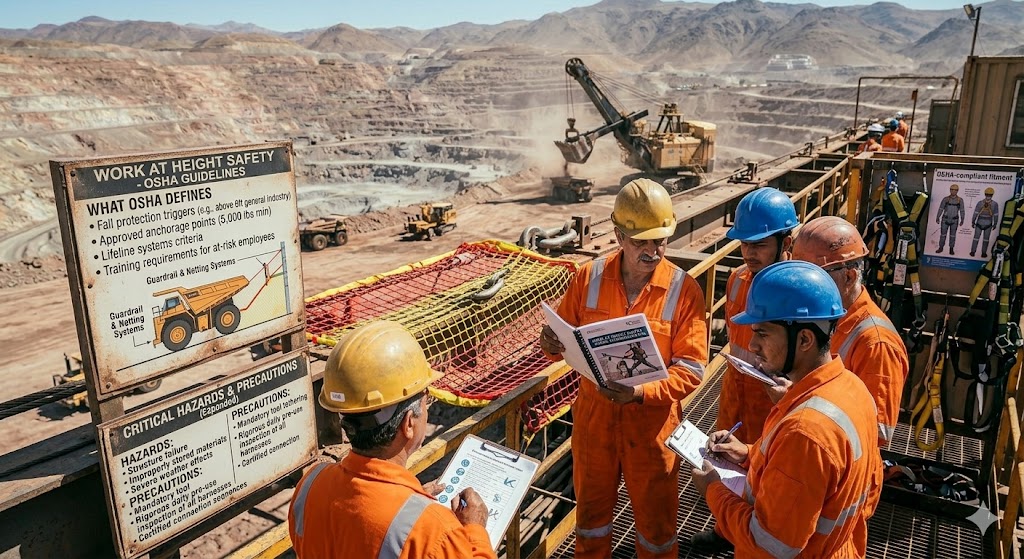
As per OSHA guidance, any work performed above 1.8 meters, or 6 feet, is classified as work at height.
This definition applies across industries, including construction, manufacturing, power plants, warehouses, and rooftop installations. Even short-duration tasks fall under this category if a worker is exposed to a fall risk.
Once work crosses this height threshold, fall protection planning becomes mandatory.
Common Hazards Associated with Work at Height
Working at elevation introduces multiple risks, many of which are visible during safety inspections and audits.
Risk of Falling from Height
Loss of balance, missteps, or lack of connection to a fall protection system can result in serious injury or fatality.
Falling Tools or Materials
Unsecured tools or loose materials can fall and injure people working below, even when workers at height remain safe.
Slippery Surfaces
Dust, oil, rain, or moisture can reduce surface grip, especially on rooftops, scaffolds, and steel structures.
Unstable Scaffolding
Poorly erected or inadequately supported scaffolds create both fall and collapse risks.
These hazards increase when work is rushed or weather conditions change unexpectedly.
Essential Precautions for Safe Work at Height
Effective control measures reduce exposure to height-related risks. The following precautions form the foundation of safe work practices.
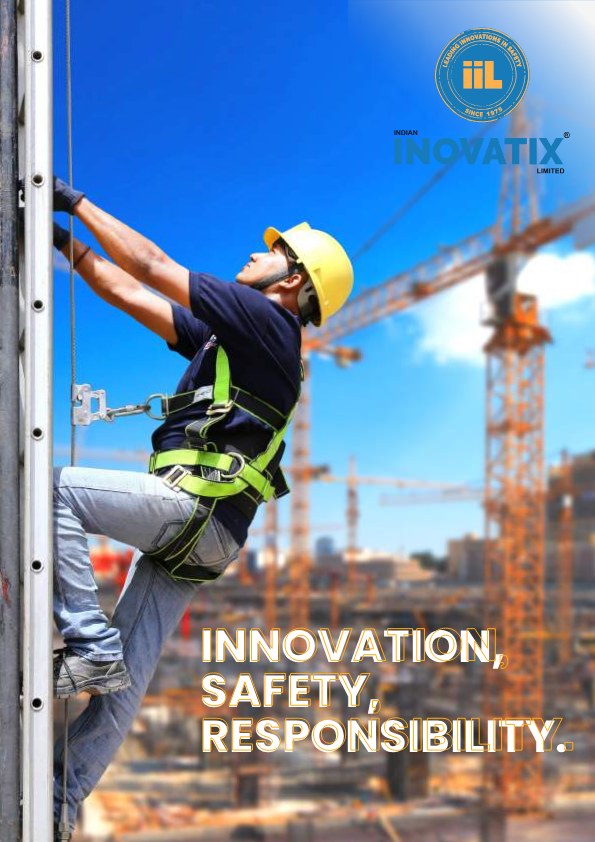
Use a Full-Body Harness with a Lifeline
A full-body harness distributes fall forces across the body and reduces injury risk during a fall event.
Workers should always connect to:
- A suitable lifeline
- A certified anchor point
- A system matched to the task and movement
The system must remain connected throughout the activity, not only during perceived high-risk moments.
Inspect Scaffolds and Ladders Before Use
Access equipment must remain stable and fit for use.
Before starting work:
- Check scaffold structure and connections
- Ensure ladders are placed on firm ground
- Verify locking mechanisms and handholds
Inspections should occur daily and after any modification or weather exposure.
Barricade the Work Area
Barricading protects workers below and controls movement around the work zone.
Effective barricading includes:
- Physical barriers or warning tape
- Clear signage
- Restricted access to non-authorized personnel
This step reduces the risk of injury from falling objects and unexpected entry into hazard zones.
Always Wear Helmet, Safety Shoes, and Gloves
Personal protective equipment supports both fall prevention and impact protection.
Minimum PPE for work at height typically includes:
- Safety helmet with chin strap
- Slip-resistant safety shoes
- Gloves suited to the task
PPE should remain compatible with the fall protection system in use.
Avoid Work During Bad Weather
Weather conditions play a major role in height safety.
Work should stop during:
- Heavy monsoon rain
- High wind conditions
- Poor visibility
Wet surfaces and strong winds increase fall risk even when systems are in place.
Why These Precautions Matter
Most work at height incidents occur due to a combination of small oversights rather than a single failure. Missing one precaution can reduce the effectiveness of all other controls.
When safety teams follow structured precautions, they:
- Reduce incident probability
- Improve worker confidence
- Maintain compliance during audits
- Protect project timelines
Height safety depends on consistency, not shortcuts.
Supporting Safer Work at Height
Indian Inovatix designs and supplies fall protection systems suited for industrial and infrastructure environments. Our systems support safe access, controlled movement, and compliance with project safety requirements.
We work with safety managers, EPC teams, and plant operators to align protection methods with real site conditions.
Safe work at height begins with awareness, preparation, and the right safety systems.
Conclusion
Any task above 1.8 meters carries fall risk. Clear understanding of hazards and disciplined use of precautions helps prevent injuries and operational disruption.
When teams plan work carefully, inspect equipment, use proper fall protection, and respond to weather conditions, work at height becomes controlled and manageable.
Our safety is in our hands.
FAQ
1. What is considered work at height as per OSHA?
Any work performed above 1.8 meters or 6 feet is considered work at height under OSHA guidance.
2. Is fall protection required for work above 6 feet?
Yes. Fall protection is required when workers are exposed to fall hazards above 6 feet in general industry.
3. What are the main hazards of working at height?
The main hazards include falling from height, falling tools or materials, slippery surfaces, and unstable scaffolding.
4. What PPE is required for work at height?
Typical PPE includes a full-body harness, helmet with chin strap, safety shoes, gloves, and a lifeline connected to a certified anchor.
5. Why is a full-body harness required instead of a safety belt?
A full-body harness distributes fall forces safely across the body, reducing injury risk during a fall.
6. How often should scaffolds and ladders be inspected?
They should be inspected before each use and after any modification or severe weather exposure.
7. Can work at height continue during bad weather?
No. Work should stop during heavy rain, strong winds, or poor visibility conditions.
8. What is the difference between fall arrest and fall restraint?
Fall arrest stops a fall after it occurs, while fall restraint prevents the worker from reaching a fall hazard.
9. Who is responsible for work at height safety on site?
Employers, supervisors, and safety managers share responsibility for planning, supervision, and system implementation.
10. How can companies improve work at height safety compliance?
Companies can improve compliance through certified systems, regular inspections, worker training, and proper documentation.

Categories
Latest Post
- September 12, 2026 Work at Height Rules India: What Employers Need to Know in 2026
- September 5, 2026 Coconut Tree Climber Machine Buying Guide for Indian Farmers
- August 29, 2026 Best Safety Harness for Construction: How to Choose the Right One

Corporate Profile
Download CatalogueTalk to Our Safety & Protection Specialists
Have questions or need guidance? Our experts can help you choose the most reliable and high-performance safety solutions tailored to your industry and site requirements.
-

- Call Us +91-8849452638
Need Help Determining the Right Fall Protection for You?
With our vast experience, our experts will assist you in selecting the most relevant system for your needs.