July 18, 2026
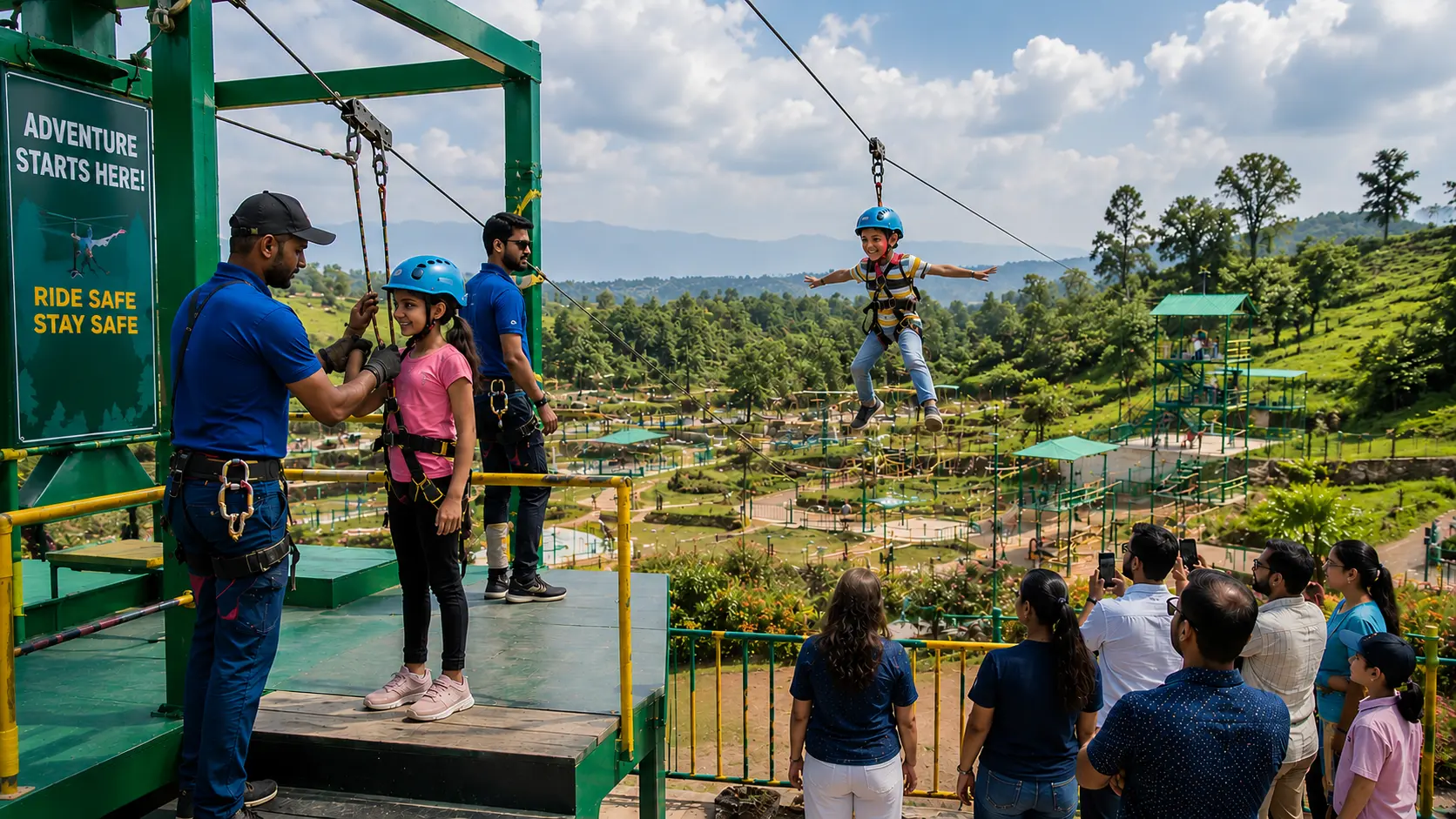
Adventure activities help children develop confidence, coordination, and problem-solving skills. Ziplining has become one of the most popular attractions at adventure parks, schools, resorts, eco-tourism destinations, and summer camps across India. While the experience is exciting, safety should always come before the adventure.
The foundation of zipline safety for children begins with proper planning, age-appropriate equipment, trained supervision, and consistent operating procedures. Children have different body proportions, lower body weight, and varying levels of physical development compared to adults. These differences mean that equipment designed for adults should never be considered an alternative for younger participants.
Parents should understand how an adventure facility manages safety before allowing their child to participate. Likewise, activity operators should establish documented inspection procedures, provide suitable equipment, and ensure every instructor understands emergency response protocols. A safe zipline experience is created through preparation rather than chance.
Indian Inovatix Limited, Ahmedabad, Gujarat, India, has more than five decades of experience in manufacturing height safety equipment. For organisations that conduct children’s adventure activities, the company’s Skyderman Junior is designed specifically for children aged 3 to 9 years, helping operators provide equipment that fits younger users correctly during supervised activities.
Key Takeaways
- A properly fitted junior full body harness is one of the most important components of children’s zipline safety.
- Parents should evaluate equipment, supervision, and inspection practices before allowing children to participate.
- Adventure operators should follow documented inspection procedures before every ride.
- Age-specific equipment provides a more secure fit than adjusting adult safety gear.
- Safe adventure activities depend on quality equipment, trained staff, and consistent operating procedures.
Why Is Zipline Safety Important for Children?
Zipline safety for children depends on correctly fitted equipment, trained instructors, regular inspections, and responsible operating procedures. These elements work together to reduce preventable risks and create a safer adventure experience.
Children respond differently to movement than adults. Their centre of gravity, muscle strength, balance, and ability to react during unexpected situations continue to develop as they grow. Because of this, equipment selection becomes much more important during adventure activities.
A common misconception is that the zipline itself determines how safe an activity is. In reality, the entire safety system contributes to participant protection. The harness, helmet, connectors, anchor points, instructor training, and operating procedures all play an equally important role.
Adventure operators should establish a standard inspection routine before every operating session. Parents can also improve safety by observing how instructors prepare participants before the activity begins.
Important safety measures include:
- Correctly fitted junior harness
- Secure helmet adjustment
- Daily equipment inspections
- Trained instructors
- Participant safety briefing
- Controlled launch and landing areas
- Emergency response planning
These practices create a structured environment where children can participate with greater confidence while operators maintain consistent safety standards.
What Makes Children’s Zipline Equipment Different?
Children’s safety equipment is designed around smaller body dimensions, lighter weight ranges, and different movement patterns. Equipment that fits correctly improves comfort, stability, and body support throughout the activity.
Many people assume an adjustable adult harness can safely fit a child. Although adult harnesses include adjustment points, they are engineered around adult body proportions. Tightening the straps does not change the overall design or load distribution.
Children require equipment that supports their shoulders, chest, waist, and thighs according to their physical development. A properly fitted junior harness also reduces unnecessary movement during the ride, making the experience more comfortable for young participants.
| Feature | Junior Harness | Adult Harness |
| Body fit | Designed for children’s body proportions | Designed for adult body proportions |
| Weight range | Suitable for younger participants | Intended for adult users |
| Strap positioning | Supports developing body structure | May not fit children correctly |
| Comfort | Better support during movement | Can create pressure points |
| Stability | Improved body positioning | Reduced stability for smaller users |
For adventure parks and schools, using equipment designed specifically for younger participants also improves inspection consistency because instructors spend less time making excessive adjustments before each ride.
How Parents Can Assess an Adventure Facility Before Their Child Participates
Parents should review the operator’s equipment, supervision standards, inspection procedures, and instructor training before registering their child. Responsible facilities are usually transparent about the measures they take to protect participants.
Does the Facility Use Age-Appropriate Safety Equipment?
Ask whether children receive dedicated safety equipment instead of modified adult gear. Equipment designed specifically for younger participants generally provides a more secure and comfortable fit.
Are Instructors Performing Individual Equipment Checks?
Every child’s harness and helmet should be inspected before each ride, regardless of whether they have already completed another activity. Instructors should verify shoulder straps, leg straps, buckles, connectors, and helmet adjustment before allowing the participant to proceed.
Is Equipment Clean and Well Maintained?
Safety equipment should be organised, clean, and free from visible damage. Frayed webbing, damaged buckles, worn stitching, or missing identification labels may indicate poor maintenance practices.
Does Every Session Begin With a Safety Briefing?
Children should receive simple, clear instructions before the activity starts. Demonstrations are often more effective than verbal explanations alone because younger participants understand visual guidance more easily.
A typical briefing should explain:
- Correct riding position
- Hand placement
- Landing procedure
- Platform behaviour
- Communication signals
- What to do if the ride stops unexpectedly
When children understand these instructions before leaving the platform, they are more likely to remain calm and follow guidance throughout the activity.
Kids Zipline Safety Guide: Essential Checks Before Every Ride
A consistent inspection routine helps identify equipment fitting issues before a participant leaves the platform. Following the same checklist for every child improves consistency and reduces the possibility of overlooked adjustments.
Operators should verify the following items before every ride:
| Inspection Item | Purpose |
| Harness adjustment | Confirms a secure body fit |
| Shoulder straps | Maintains upper body support |
| Leg straps | Reduces unnecessary body movement |
| Chest buckle | Keeps the harness correctly positioned |
| Helmet fit | Provides appropriate head protection |
| Connector inspection | Confirms secure attachment |
| Participant briefing | Ensures the child understands safety instructions |
Parents should also encourage children to speak up if any strap feels uncomfortable before the activity begins. A minor adjustment on the platform is far easier than attempting to manage discomfort during the ride.
For operators, using a documented pre-ride checklist creates consistency across every participant, regardless of group size or experience level.
Junior Zipline Safety Tips for Different Age Groups
Children of different ages have varying levels of physical development, coordination, and confidence. Matching supervision and equipment to the child’s age and body size helps create a safer and more enjoyable experience.
While age is an important consideration, operators should also evaluate height, weight, and overall physical readiness before allowing participation.
Children Aged 3 to 5 Years
Young children require continuous supervision throughout the activity. Instructors should assist with harness fitting, explain each step using simple language, and ensure the child remains calm before starting the ride.
At this age, shorter zipline courses and lower platforms are generally more suitable because they help children become comfortable with the activity.
Children Aged 6 to 9 Years
Children in this age group usually understand safety instructions more clearly but still require close supervision. Operators should verify that the harness fits correctly before every ride and remind participants about riding posture and landing techniques.
Parents should also encourage children to ask questions if they feel uncertain before beginning the activity.
Older Children and Teenagers
Older participants often demonstrate greater confidence, but they should never skip equipment checks. Regardless of age, every participant should receive the same inspection process and safety briefing before each ride.
Common Mistakes That Reduce Children’s Zipline Safety
Many zipline incidents can be prevented by following established safety procedures. Small oversights during equipment selection or supervision can increase unnecessary risks.
Understanding these common mistakes helps both parents and operators improve overall safety.
Using Adult Harnesses for Children
One of the most frequent mistakes is using adult harnesses because they appear adjustable. Adult equipment is designed for different body proportions and may not provide the secure fit required for younger participants.
Skipping Equipment Inspections
Every harness, helmet, connector, and attachment point should be inspected before use. Even when equipment appears to be in good condition, routine inspections help identify wear before it becomes a safety concern.
Ignoring Weather Conditions
Strong winds, heavy rain, or lightning can affect zipline operations. Responsible operators suspend activities whenever weather conditions could compromise participant safety.
Rushing the Safety Briefing
Children often remember demonstrations better than verbal instructions. Operators should allow sufficient time for participants to understand riding posture, landing procedures, and emergency instructions before every ride.
Choosing the Right Safety Harness for Young Zipline Riders
Selecting a properly fitted harness is one of the most important decisions for children’s adventure activities. The harness should match the child’s body size, provide balanced support, and remain comfortable throughout the experience.
Parents and operators should evaluate more than appearance when selecting safety equipment.
Consider the following factors:
| Selection Criteria | Why It Matters |
| Age suitability | Ensures the harness is designed for younger participants |
| Body fit | Supports proper weight distribution |
| Strap adjustment | Helps achieve a secure fit |
| Comfort | Encourages correct riding posture |
| Product quality | Supports long-term reliability |
| Manufacturer expertise | Indicates experience in safety equipment design |
Equipment specifically designed for children generally provides better support than adapting products intended for adults.
Why the Right Junior Harness Makes a Difference
A properly fitted junior harness improves stability, distributes body weight more effectively, and helps maintain the correct riding position throughout the activity.
Unlike adult harnesses, children’s harnesses are engineered around younger body proportions, allowing instructors to achieve a secure fit with fewer adjustments.
For schools, adventure parks, camps, and recreational facilities, selecting equipment designed specifically for children also helps standardise equipment checks and improve operational consistency.
Indian Inovatix Limited, Ahmedabad, Gujarat, India, has been manufacturing height safety equipment for more than 50 years. The company operates from a 33,000 sq. ft. manufacturing facility, has helped protect more than 500,000 workers, and has supplied over 1 lakh metres of fall arrest systems across India.
This experience supports organisations looking for dependable height safety solutions for both industrial and specialised recreational applications.
Frequently Asked Questions
Is ziplining safe for children?
Yes. Ziplining can be a safe activity when children use properly fitted equipment, receive appropriate supervision, and participate under trained instructors. Regular equipment inspections and clear operating procedures further improve safety.
At what age can children use a zipline?
The suitable age depends on the design of the course, the child’s physical development, and the equipment provided by the operator. Many facilities offer activities designed specifically for younger participants.
Why should children use a junior harness instead of an adult harness?
Junior harnesses are designed around children’s body proportions and provide better support than adult equipment. This helps improve stability, comfort, and overall safety during supervised activities.
What should parents check before choosing an adventure park?
Parents should verify that the operator provides age-appropriate equipment, conducts equipment inspections, employs trained instructors, and follows documented safety procedures.
How often should zipline equipment be inspected?
Operators should inspect safety equipment before every operating session and visually check each participant’s equipment before every ride. Periodic maintenance should also follow the manufacturer’s recommendations.
Which safety standards are commonly associated with full body harnesses?
Standards such as EN 361, EN 354, EN 355, and ANSI Z359 establish recognised performance requirements for height safety equipment used in appropriate applications.
Can schools organise zipline activities safely?
Yes. Schools can organise adventure activities safely by partnering with qualified operators, using suitable equipment, and ensuring instructors supervise every participant throughout the activity.
What are the most important junior zipline safety tips?
The most effective junior zipline safety tips include using correctly fitted equipment, attending the safety briefing, following instructor guidance, and completing equipment inspections before every ride.
Conclusion
Ziplining gives children an opportunity to build confidence while enjoying outdoor adventure activities. However, every successful experience depends on proper planning, suitable equipment, trained supervision, and consistent operating procedures.
Parents should evaluate safety practices before selecting an adventure facility, while operators should maintain documented inspection routines and provide equipment designed for younger participants. These measures help reduce avoidable risks and improve participant confidence.
With more than five decades of manufacturing experience, Indian Inovatix Limited continues to develop certified height safety solutions that support organisations across India in creating safer working and recreational environments.
Give Young Adventurers the Right Safety Equipment From the Start
Whether you operate an adventure park, school activity programme, children’s camp, or recreational facility, choosing age-appropriate safety equipment is an important part of responsible risk management.
If you’re looking for a junior full body harness designed specifically for young participants, speak with the safety specialists at Indian Inovatix Limited to identify the right solution for your adventure activities.
Call us at +91-8849452638 or write to info@indianinovatix.com to get started.


Talk to Our Safety & Protection Specialists
Have questions or need guidance? Our experts can help you choose the most reliable and high-performance safety solutions tailored to your industry and site requirements.
-

- Call Us +91-8849452638
Need Help Determining the Right Fall Protection for You?
With our vast experience, our experts will assist you in selecting the most relevant system for your needs.